
Digital Helpers for a Smarter Everyday Life – 6 Useful Apps for making life easier

Kira Zabe
October 15, 2024
In a world full of tasks, deadlines, and goals, finding ways to streamline everyday routines is key to staying organized and stress-free. The right apps can help you manage everything from fitness and mental health to financial planning and household organization. Whether you're working on building better habits or trying to manage your budget, these six apps will empower you to live smarter and more efficiently.
1.MyFitnessPal – Your Personal Nutrition and Fitness Tracker
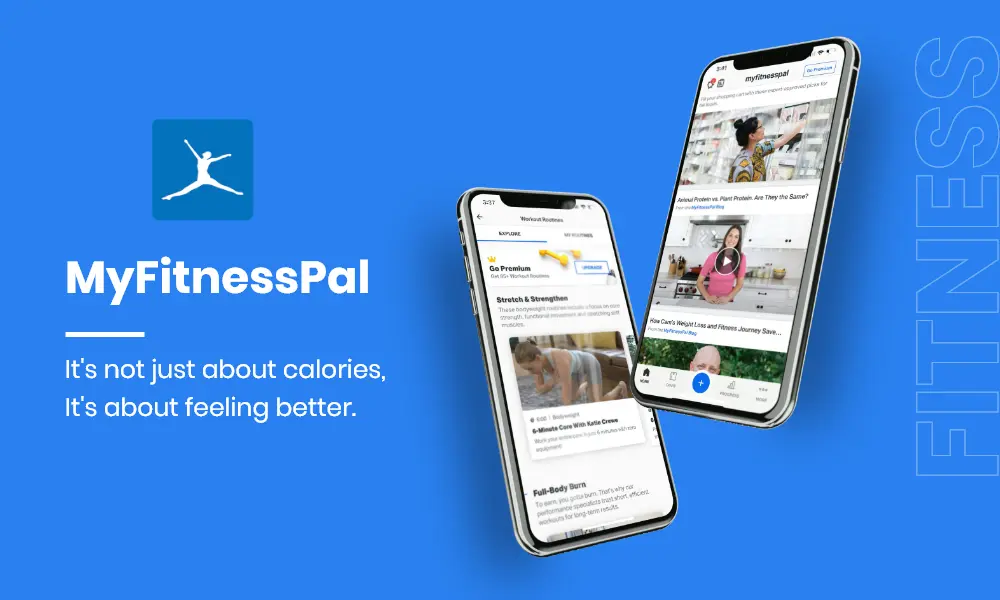
If you're aiming to stay on top of your health,MyFitnessPalis a must-have. This app helps you track your calories, macronutrients, and even your workouts. With a massive food database and the ability to log meals and exercises, it offers a comprehensive way to keep tabs on your fitness journey. You can even sync it with wearables like Fitbit or Apple Watch to have a complete picture of your health.
Features: Calorie counting, nutrition tracking, and workout logsWho it's for: Anyone looking to maintain a healthy lifestyle, track fitness progress, or manage weight.
2.YNAB (You Need A Budget) – Take Control of Your Finances
Managing money can feel overwhelming, but withYNAB, you can create a budget that works for your lifestyle. This app helps you give every dollar a job, ensuring you're ready for any expense that comes your way. With tools to set savings goals, manage debt, and plan for the future, YNAB transforms how you handle your finances, encouraging better money habits and helping you reach financial security.
Features: Budgeting, financial planning, and goal settingWho it's for: Anyone who wants to take charge of their finances, save more effectively, or manage debt.
3.Habitica – Turn Your Life Into a Game
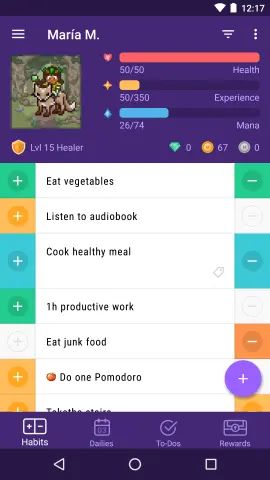
Want to turn everyday tasks into a fun, motivating experience?Habiticaturns your to-do list and habit tracking into a game, where you earn points and rewards for completing tasks. Whether it’s daily habits, long-term goals, or project milestones, Habitica helps you stay focused and productive by making work feel like play. Plus, you can join group challenges for even more motivation.
Features: Gamified task management and habit trackingWho it's for: Those who struggle with procrastination or want a more engaging way to stay productive.
4.Forest – Boost Focus and Stay Productive
If distractions keep getting in the way of your productivity,Forestis here to help. The app encourages you to stay focused by planting a virtual tree that grows as long as you don't leave the app to check notifications or browse the web. If you get distracted, your tree withers away. For extra motivation, Forest partners with tree-planting organizations, so staying focused also contributes to real-world reforestation efforts.
Features: Focus and productivity tracker with environmental impactWho it's for: Anyone who wants to cut down on distractions and improve concentration while contributing to a greener planet.
5.Headspace – Mental Wellbeing and Mindfulness
Taking care of your mental health is crucial, andHeadspaceoffers the tools to help you cultivate a sense of calm and mindfulness in your day. With guided meditations, sleep programs, and breathing exercises, Headspace helps you reduce stress, improve focus, and even sleep better. It's an ideal app for both beginners and those with experience in mindfulness practices.
Features: Guided meditation, stress relief, and sleep programsWho it's for: People looking to improve mental wellbeing, manage stress, or build a meditation practice.
6.Smantry.App – Organize Your Pantry, Reduce Waste
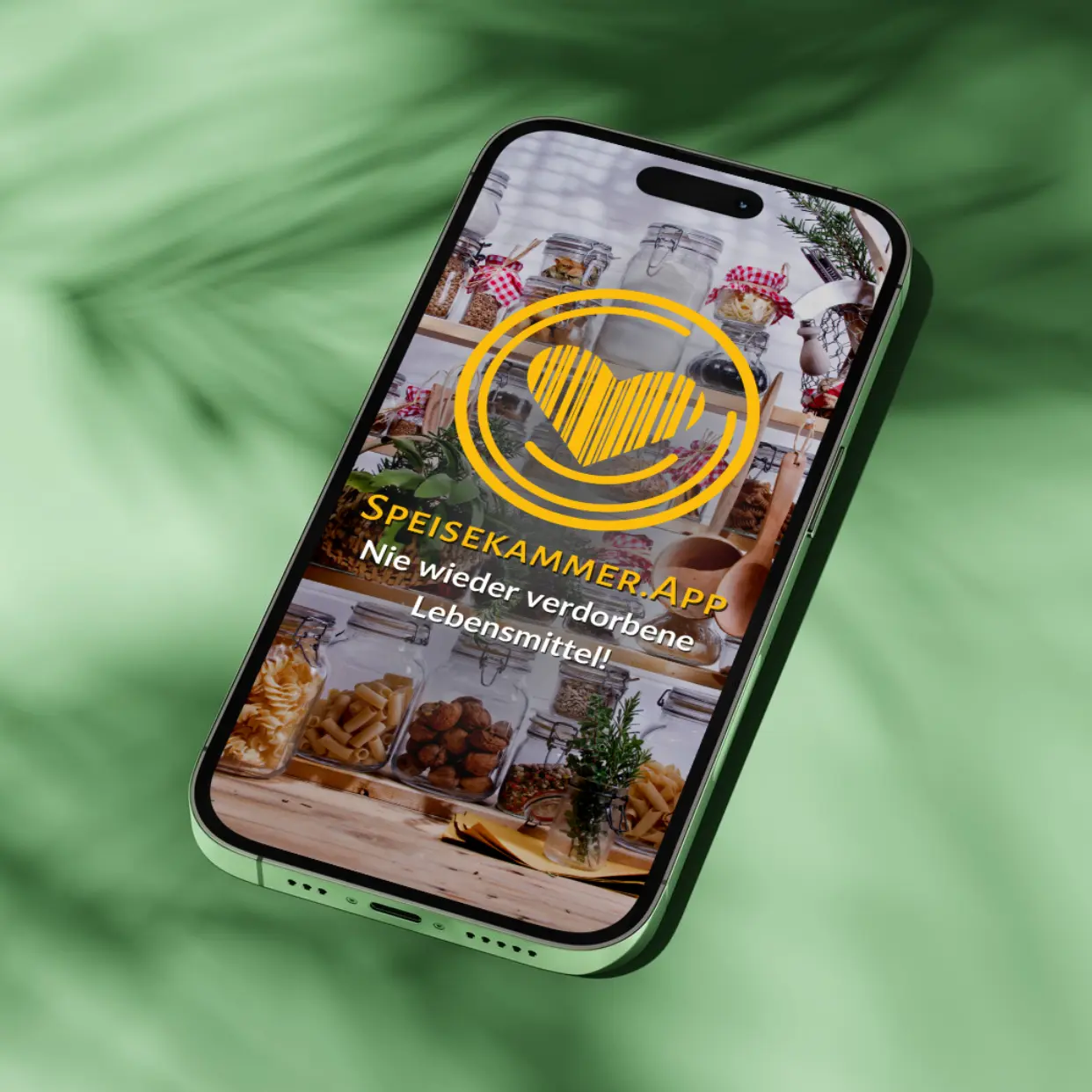
If you’re tired of food going bad before you get a chance to use it, theSmantry.Appcan help. This app keeps track of your pantry, fridge, and freezer contents, making it easy to see what you have and what you need. It even suggests recipes based on what’s already in your kitchen, helping you plan meals more efficiently and cut down on food waste. By organizing your food supply, you’ll save money and reduce the stress of last-minute shopping trips.
Features: Pantry inventory, meal planning, and waste reduction
Who it's for: Anyone who wants to manage their food inventory, reduce food waste, and plan meals more efficiently.
With these six apps, you can take control of your daily routines, build better habits, and manage important areas of your life more effectively. Whether you're looking to boost your productivity, manage your finances, or simply reduce food waste, these tools offer simple, effective solutions to help you live smarter.

New laws on food waste in Spain
Spain has recently passed a groundbreaking law to combat food waste. This law requires all actors in the food chain, from producers to retailers, to implement specific plans to prevent food loss.
Key provisions of the law:
Obligation to donate surplus food: Supermarkets with a floor space of more than 1,300 square meters are now required to form partnerships with non-profit organizations to donate surplus food that is still fit for consumption. These donations are exempt from value-added tax.
Offer of packaging for leftover food: Restaurants and bars are required to provide their guests with free, reusable or recyclable packaging so that they can take home uneaten food. The aim is to raise consumer awareness of food waste and encourage them to take leftovers with them.
Promotion of the sale of products with approaching expiration dates: Retailers should offer products that are nearing their expiration date or have aesthetic defects at reduced prices to encourage their sale and reduce waste.
Hierarchy of priorities for dealing with surplus food: The law establishes an order for handling surplus food. Priority is given to human consumption through donations. If this is not possible, the food should be used for the production of processed products. The last options include using it as animal feed or for energy generation.
Sanctions for violations:
Companies that violate the provisions of the law can expect fines ranging from 2,000 to 500,000 euros.
Critique and Outlook:
While the law is considered an important step in the fight against food waste in Europe, there is also criticism. Some voices argue that the strict framework of sanctions could disproportionately burden companies and that the law does not sufficiently address the role of consumers, who are responsible for a significant portion of food waste.
Nevertheless, the law is seen as a significant advancement in reducing food waste and promoting a more sustainable awareness in society.
Join in and reduce food waste! 🌱📲
Spain's new law demonstrates: Sustainability starts in the pantry! With the Speisekammer App you can keep track of your groceries, plan meals efficiently, and avoid unnecessary waste.
👉 Download the app now and join the movement for less waste and more conscious consumption! 💚 Try it now!

Sustainable barbecue – how to make your BBQ eco-friendly & delicious
The sun is shining, the evenings are getting longer – it's finally BBQ season again! But even when barbecuing, you can save a lot of CO₂, avoid waste, and even be really creative. In this blog, we'll show you how sustainable grilling works – without sacrifice, but with lots of flavor and responsibility. 🌱🔥
1. Shop regionally & seasonally
The foundation for sustainable grilling starts with shopping. Instead of relying on grill classics that have traveled far, it's worth taking a look at what's available locally:
- Seasonal vegetables such as zucchini, bell peppers, corn, or mushrooms are perfect for grilling.
- Fruits like peaches or pineapples add a sweet touch to the grill.
- Regional cheese or Tofu from European organic soy are great alternatives to imported or meat-heavy products.
💡Tip: Use the Smantry App to see what ingredients you have at home and what you can conjure up with them.
2. Less (but better quality) meat
Meat has a high carbon footprint – but you don't have to give it up entirely. Pay attention to:
- Organic quality
- Species-appropriate husbandry
- Regionality
Alternatives such as marinated cauliflower, halloumi skewers, or homemade lentil burgers are not only climate-friendly but also really tasty.
3. Grill without aluminum foil
Aluminum foil is harmful to the environment – and can even be hazardous to health when heated. Instead, use:
- Stainless steel grill pans
- Grill baskets
- Banana leaves or corn husks as natural packaging
- Reusable skewers made of stainless steel or wood
4. Upcycling Recipes: Smartly Repurposing Leftovers
After barbecuing, there's often something left over. Here are a few ideas:
- Grilled vegetables can be turned into a salad or wrap the next day.
- Bread leftovers are turned into crispy croutons.
- Fruit leftovers are perfect for a fruity iced tea or sorbet.
The Smantry App helps you keep track even after the BBQ – and avoid wasting food.
5. Conscious Grilling: Ambiance over Mass Production
Sustainable grilling also means: Less is more.
- Eat consciously, instead of preparing extra-large portions
- Plan your shopping efficiently and without excess with the app
- Avoid single-use products like plastic cutlery or paper plates – a BBQ is more enjoyable with nice dishes anyway!
In conclusion: Sustainable grilling is easy – with the right planning
With a little preparation and creativity, your barbecue will not only be delicious, but also good for the environment. And the best part: You don't have to make any compromises. The Smantry App helps you to use everything you already have – for less waste and more enjoyment.
🔥 Open the app now, check supplies, and grill sustainably!
Have fun with your barbecue –
your team at Smantry 🍢🌽♻️

Ice cream from leftovers? Here's how to make homemade zero-waste ice cream! 🍦♻️
Even better: You can easily make your own ice cream using ingredients that might otherwise end up in the trash. Overripe bananas, leftover yogurt, or the last bit of almond milk – all of these are perfect for whipping up a delicious and sustainable ice cream in no time.
Why homemade ice cream?
You know what's inside. No additives, no artificial flavors.
You save food. Many leftovers are perfect for freezing.
You save money.Buying ice cream is a thing of the past – your freezer is now the ice cream parlor.
3 simple leftover recipe ideas for ice cream:
🍌 1. Banana Peanut Ice Cream
Ingredients:
- 2 very ripe bananas
- 2 tbsp peanut butter (or other nut leftovers)
- 1 shot of plant-based milk
Preparation:
Slice bananas, freeze them. Then blend with the remaining ingredients – and your creamy Nicecream is ready!
🍓 2. Yogurt Berry Ice Cream
Ingredients:
- 1 cup of plain yogurt
- Leftover frozen berries or fresh berries that have become soft
- 1 tsp honey or syrup
Preparation:
Mix everything and either eat immediately or freeze in ice molds.
☕ 3rd Coffee-Chocolate Slush
Ingredients:
- Leftover coffee from the morning
- 1 tsp cocoa powder
- A piece of overripe banana or some agave syrup
- Ice cubes
Preparation:
Crush all ingredients in a blender – a caffeinated summer dream!
Even more leftovers? No problem!
With Smantry you can see at a glance which ingredients you have at home – perfect for creating your own ice cream. This way, your leftovers can become little summer highlights.
In conclusion:
Leftover utilization has never been so tasty! 🍨
So: Open the freezer, scan the leftovers, and start mixing!
👉 Use the app now and waste nothing
♻️ For the love of your supplies – and ice cream.
Food waste in international comparison – Who does what?
🇫🇷 France – Legally Against Waste
France is considered a pioneer in the fight against food waste. Since 2016, supermarkets have been prohibited from throwing away edible food. Instead, they must donate or repurpose it. Schools and universities are increasingly focusing on educational programs for sustainable nutrition. As a result, France is now among the countries with the lowest proportion of wasted food in Europe.
🇰🇷 South Korea – Smart Waste Fees
In South Korea, households pay for their food waste by weight – through RFID chips in garbage bins or special garbage bags with barcodes. This financial incentive has led to South Korea now recycling 95% of its organic waste. The system is combined with extensive educational efforts and the promotion of biogas and composting facilities.
🇩🇰 Denmark – The movement comes from below
Denmark relies on the power of the community. Initiatives such as "Stop Spild Af Mad" (Stop Food Waste) have sparked societal debates. Moreover, supermarkets like Wefood exclusively offer food products past their best before date – and at low prices. The acceptance among the population is high, and schools are actively incorporating the topic as well.
🇯🇵 Japan – Tradition Meets Technology
In Japan, food waste is also culturally associated with a strong sense of shame – this helps. Additionally, there is a focus on innovation: companies use AI for better inventory planning or apps that indicate when food should be consumed in the household. Bento shops also use data to precisely adjust their offerings to the daily demand.
🇩🇪 Germany – Between Movement and Potential
Germany is making progress: Initiatives such as Too Good To Go, Foodsharing or apps like the Speisekammer App / Smantry help to reduce waste in everyday life. Legally, however, it is not as advanced as France – although the pressure is increasing. 40% of the wasted food occurs in private households – this shows how important individual solutions are.
🌍 What we can learn from it
Whether through smart technology, legal requirements, or social movements: the fight against food waste needs many perspectives – and all are important. The good news: every single step counts.
With the Speisekammer App / Smantry you can start right at home – with smart pantry management, reminders for expiring food, and clever shopping planning.
👉 Discover the app now and make your contribution: smantry.com