Smantry.Blog

Smarter Pantries. Less Waste. More Good.

Welcome to the Smantry Blog — your go-to hub for tips, inspiration, and insights on reducing food waste and making the most of what’s already in your kitchen. Whether you're looking for creative ways to use up ingredients, pantry organization hacks, or guides on sustainable grocery shopping, we’ve got you covered.

Our mission is simple: help you stay organized, save money, and waste less — one pantry at a time. From real-life stories to expert advice, we’re here to support your journey toward a smarter, more sustainable kitchen.

Let’s rethink what we eat, how we store it, and how we can all do a little better, every day.

Image

New laws on food waste in Spain

Spain has recently passed a groundbreaking law to combat food waste. This law requires all actors in the food chain, from producers to retailers, to implement specific plans to prevent food loss.

Key provisions of the law:

Obligation to donate surplus food: Supermarkets with a floor space of more than 1,300 square meters are now required to form partnerships with non-profit organizations to donate surplus food that is still fit for consumption. These donations are exempt from value-added tax.

Offer of packaging for leftover food: Restaurants and bars are required to provide their guests with free, reusable or recyclable packaging so that they can take home uneaten food. The aim is to raise consumer awareness of food waste and encourage them to take leftovers with them.

Promotion of the sale of products with approaching expiration dates: Retailers should offer products that are nearing their expiration date or have aesthetic defects at reduced prices to encourage their sale and reduce waste.

Hierarchy of priorities for dealing with surplus food: The law establishes an order for handling surplus food. Priority is given to human consumption through donations. If this is not possible, the food should be used for the production of processed products. The last options include using it as animal feed or for energy generation.

Sanctions for violations:

Companies that violate the provisions of the law can expect fines ranging from 2,000 to 500,000 euros.

PortableText [components.type] is missing "image"

Critique and Outlook:

While the law is considered an important step in the fight against food waste in Europe, there is also criticism. Some voices argue that the strict framework of sanctions could disproportionately burden companies and that the law does not sufficiently address the role of consumers, who are responsible for a significant portion of food waste.

Nevertheless, the law is seen as a significant advancement in reducing food waste and promoting a more sustainable awareness in society.

Join in and reduce food waste! 🌱📲

Spain's new law demonstrates: Sustainability starts in the pantry! With the Speisekammer App you can keep track of your groceries, plan meals efficiently, and avoid unnecessary waste.

👉 Download the app now and join the movement for less waste and more conscious consumption! 💚 Try it now!

Nachhaltig grillen – so wird dein BBQ umweltfreundlich & lecker

Sustainable barbecue – how to make your BBQ eco-friendly & delicious

The sun is shining, the evenings are getting longer – it's finally BBQ season again! But even when barbecuing, you can save a lot of CO₂, avoid waste, and even be really creative. In this blog, we'll show you how sustainable grilling works – without sacrifice, but with lots of flavor and responsibility. 🌱🔥

1. Shop regionally & seasonally

The foundation for sustainable grilling starts with shopping. Instead of relying on grill classics that have traveled far, it's worth taking a look at what's available locally:

  • Seasonal vegetables such as zucchini, bell peppers, corn, or mushrooms are perfect for grilling.
  • Fruits like peaches or pineapples add a sweet touch to the grill.
  • Regional cheese or Tofu from European organic soy are great alternatives to imported or meat-heavy products.

💡Tip: Use the Smantry App to see what ingredients you have at home and what you can conjure up with them.

2. Less (but better quality) meat

Meat has a high carbon footprint – but you don't have to give it up entirely. Pay attention to:

  • Organic quality
  • Species-appropriate husbandry
  • Regionality

Alternatives such as marinated cauliflower, halloumi skewers, or homemade lentil burgers are not only climate-friendly but also really tasty.

3. Grill without aluminum foil

Aluminum foil is harmful to the environment – and can even be hazardous to health when heated. Instead, use:

  • Stainless steel grill pans
  • Grill baskets
  • Banana leaves or corn husks as natural packaging
  • Reusable skewers made of stainless steel or wood

4. Upcycling Recipes: Smartly Repurposing Leftovers

After barbecuing, there's often something left over. Here are a few ideas:

  • Grilled vegetables can be turned into a salad or wrap the next day.
  • Bread leftovers are turned into crispy croutons.
  • Fruit leftovers are perfect for a fruity iced tea or sorbet.

The Smantry App helps you keep track even after the BBQ – and avoid wasting food.

5. Conscious Grilling: Ambiance over Mass Production

Sustainable grilling also means: Less is more.

  • Eat consciously, instead of preparing extra-large portions
  • Plan your shopping efficiently and without excess with the app
  • Avoid single-use products like plastic cutlery or paper plates – a BBQ is more enjoyable with nice dishes anyway!

In conclusion: Sustainable grilling is easy – with the right planning

With a little preparation and creativity, your barbecue will not only be delicious, but also good for the environment. And the best part: You don't have to make any compromises. The Smantry App helps you to use everything you already have – for less waste and more enjoyment.

🔥 Open the app now, check supplies, and grill sustainably!

Have fun with your barbecue –
your team at Smantry 🍢🌽♻️

Photo by micheile henderson / Unsplash

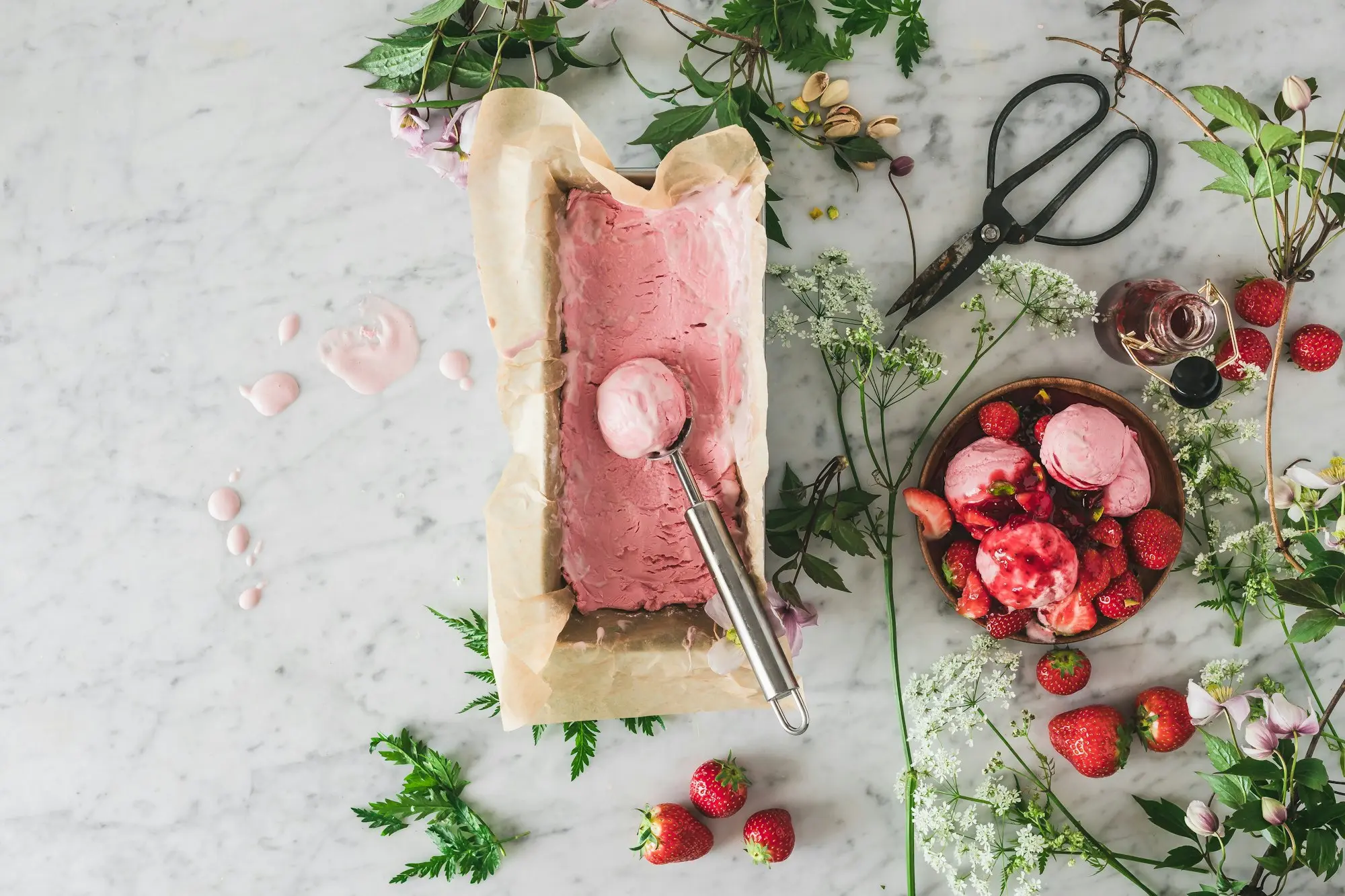
Ice cream from leftovers? Here's how to make homemade zero-waste ice cream! 🍦♻️

Even better: You can easily make your own ice cream using ingredients that might otherwise end up in the trash. Overripe bananas, leftover yogurt, or the last bit of almond milk – all of these are perfect for whipping up a delicious and sustainable ice cream in no time.

Why homemade ice cream?

You know what's inside. No additives, no artificial flavors.

You save food. Many leftovers are perfect for freezing.

You save money.Buying ice cream is a thing of the past – your freezer is now the ice cream parlor.

3 simple leftover recipe ideas for ice cream:

🍌 1. Banana Peanut Ice Cream

Ingredients:

  • 2 very ripe bananas
  • 2 tbsp peanut butter (or other nut leftovers)
  • 1 shot of plant-based milk

Preparation:
Slice bananas, freeze them. Then blend with the remaining ingredients – and your creamy Nicecream is ready!

PortableText [components.type] is missing "image"

🍓 2. Yogurt Berry Ice Cream

Ingredients:

  • 1 cup of plain yogurt
  • Leftover frozen berries or fresh berries that have become soft
  • 1 tsp honey or syrup

Preparation:
Mix everything and either eat immediately or freeze in ice molds.

☕ 3rd Coffee-Chocolate Slush

Ingredients:

  • Leftover coffee from the morning
  • 1 tsp cocoa powder
  • A piece of overripe banana or some agave syrup
  • Ice cubes

Preparation:
Crush all ingredients in a blender – a caffeinated summer dream!

PortableText [components.type] is missing "image"

Even more leftovers? No problem!

With Smantry you can see at a glance which ingredients you have at home – perfect for creating your own ice cream. This way, your leftovers can become little summer highlights.

In conclusion:

Leftover utilization has never been so tasty! 🍨
So: Open the freezer, scan the leftovers, and start mixing!

👉 Use the app now and waste nothing
♻️ For the love of your supplies – and ice cream.

Lebensmittelverschwendung im internationalen Vergleich

Food waste in international comparison – Who does what?

🇫🇷 France – Legally Against Waste

France is considered a pioneer in the fight against food waste. Since 2016, supermarkets have been prohibited from throwing away edible food. Instead, they must donate or repurpose it. Schools and universities are increasingly focusing on educational programs for sustainable nutrition. As a result, France is now among the countries with the lowest proportion of wasted food in Europe.

🇰🇷 South Korea – Smart Waste Fees

In South Korea, households pay for their food waste by weight – through RFID chips in garbage bins or special garbage bags with barcodes. This financial incentive has led to South Korea now recycling 95% of its organic waste. The system is combined with extensive educational efforts and the promotion of biogas and composting facilities.

🇩🇰 Denmark – The movement comes from below

Denmark relies on the power of the community. Initiatives such as "Stop Spild Af Mad" (Stop Food Waste) have sparked societal debates. Moreover, supermarkets like Wefood exclusively offer food products past their best before date – and at low prices. The acceptance among the population is high, and schools are actively incorporating the topic as well.

PortableText [components.type] is missing "image"

🇯🇵 Japan – Tradition Meets Technology

In Japan, food waste is also culturally associated with a strong sense of shame – this helps. Additionally, there is a focus on innovation: companies use AI for better inventory planning or apps that indicate when food should be consumed in the household. Bento shops also use data to precisely adjust their offerings to the daily demand.

🇩🇪 Germany – Between Movement and Potential

Germany is making progress: Initiatives such as Too Good To Go, Foodsharing or apps like the Speisekammer App / Smantry help to reduce waste in everyday life. Legally, however, it is not as advanced as France – although the pressure is increasing. 40% of the wasted food occurs in private households – this shows how important individual solutions are.

🌍 What we can learn from it

Whether through smart technology, legal requirements, or social movements: the fight against food waste needs many perspectives – and all are important. The good news: every single step counts.

With the Speisekammer App / Smantry you can start right at home – with smart pantry management, reminders for expiring food, and clever shopping planning.

👉 Discover the app now and make your contribution: smantry.com

Image

TikTok, Insta & Co.: The latest trend recipes – and how you can make them with your pantry

You're scrolling through social media and suddenly you feel a strong desire to cook or bake something new? Welcome to the club! This year also brings creative food trends that not only look good but also inspire you to get started right away – ideally with what you already have at home.

Here are the most exciting recipes from TikTok, Instagram & Co. that everyone loves right now – plus tips on how you can easily recreate them from your pantry.

🥣 1. Baked Oats – the 'new banana bread'

Baked Oats are THE breakfast recipe on TikTok. Quick, filling, and as sweet as cake – but healthy.

What you need (and probably have):✔️ Oatmeal✔️ Banana or applesauce✔️ Plant-based milk or milk✔️ Baking powder✔️ Toppings: nuts, berries, chocolate chips (as available)

👉 Mix everything, pour into a baking dish, and bake for about 20 minutes. Your trendy breakfast is ready!

🍝 2. Pasta Chips – crispy and surprisingly good

Cooked pasta, seasoned and crisped up in the oven or air fryer – it might sound odd, but it tastes really good!

Ingredients:✔️ Cooked (leftover) pasta✔️ Oil✔️ Spices such as paprika, garlic powder, salt, Parmesan

👉 Mix pasta with oil and spices, bake, and dip. Goes perfectly with cream cheese or yogurt dips.

🧄 3. Garlic Confit – Garlic to Fall in Love With

Dieses Trend-Rezept ist ein kleines Aromen-Wunder. Knoblauch wird langsam in Öl gegart, bis er butterweich ist – perfekt zum Verfeinern von Pasta, Brot oder Bowls.

You will need:✔️ Whole garlic cloves✔️ High-quality oil (e.g., olive oil)✔️ Herbs of your choice (rosemary, thyme)

👉 Let everything simmer on low heat for about 30–40 minutes. It keeps in the refrigerator for up to 2 weeks!

🍞 4. Upside Down Toast – a different take on the sandwich

A creative toast trend: the topping goes into the pan first, followed by the slice of bread – and then it's flipped like French toast.

Possible combinations:✔️ Cheese & Ham✔️ Tomato & Mozzarella✔️ Apple & Cinnamon

👉 Works perfectly with leftover bread!

💡 Tip: Never miss a trend with the Smantry App

You never know if you have everything you need? The Smantry App shows you what's in your kitchen – and helps you find creative alternatives if you're missing something. This way, you can easily implement viral recipes with the supplies you have.

✨ Conclusion: Social media provides the ideas – you bring the execution!

Whether you just want to try something new or impress guests – these trendy recipes are fun, suitable for everyday use, and can even be made with leftovers. Give it a try!

📲 Haven't installed the app yet? Then it's time: To the Smantry App

Image

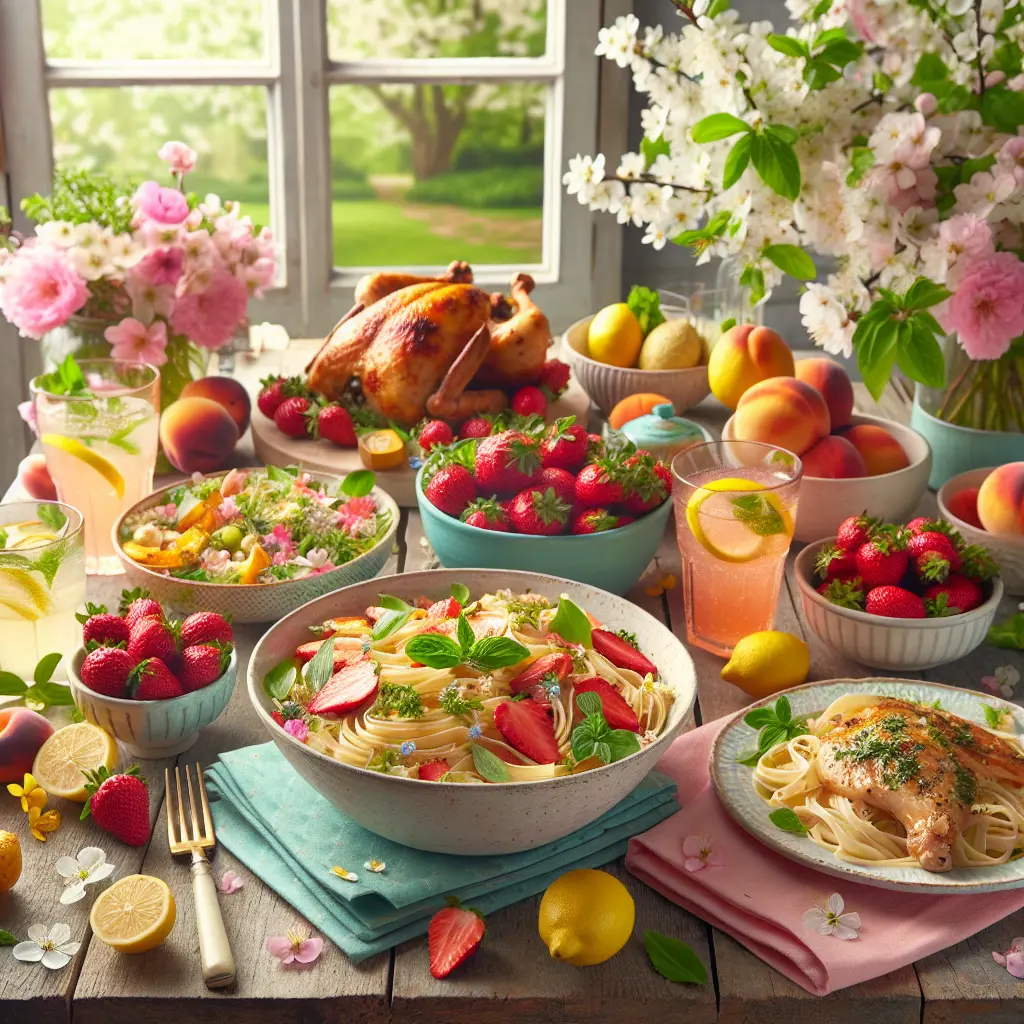
Spring-inspired leftover recipes – Make the most of what you have! 🌱

With spring comes the desire for lightness: fresh greens, crisp flavors, and less heavy food. But what to do with all the leftovers in the pantry or fridge that don't quite fit into spring cuisine? It's simple: get creative!

The Smantry App not only helps you keep track of your supplies – it also inspires you to make the most of what you already have. And spring is the perfect time for clever use of leftovers!

PortableText [components.type] is missing "image"

1. Pasta Primavera – Spring noodles from the pantry

Ingredient ideas (variable depending on leftovers):

  • 200–250 g Pasta (e.g., Penne, Fusilli)
  • ½ Broccoli
  • 1 Carrot
  • 1 handful of frozen peas
  • 1 clove of garlic
  • 2 tbsp olive oil
  • Fresh or dried herbs
  • Lemon juice
  • Salt & Pepper
  • Optional: Cream cheese or grated Parmesan

Preparation:
Cut the vegetables into bite-sized pieces and blanch briefly in salted water. Cook the pasta according to the package instructions. Heat olive oil in a large pan, sauté garlic briefly, then add the vegetables. Mix with the pasta, season with lemon juice and herbs. If desired, stir in a spoonful of cream cheese or Parmesan – and it's ready!

2. Spring-like Frittata – Deluxe Egg Rescue

Ingredients:

  • 4–6 eggs
  • 50 g grated cheese
  • Vegetable leftovers: bell peppers, mushrooms, spinach, zucchini, etc.
  • 1 small onion
  • Fresh herbs (e.g., chives or wild garlic)
  • Salt, Pepper, Oil

Preparation:
Preheat the oven to 180 °C. Chop the vegetables finely, sauté in a pan with some oil. Whisk the eggs, mix with salt, pepper, and cheese, and pour over the vegetables. Let it set briefly, then place the pan (if ovenproof!) in the oven or transfer to a baking dish. Bake for about 10–15 minutes.

3. Warm Spring Potato Salad

Ingredients:

  • Cooked potatoes from the day before (approx. 500 g)
  • 2 spring onions
  • 1 tsp mustard
  • 1 tsp honey
  • 2 tbsp white wine vinegar
  • 3 tbsp oil (e.g., canola or sunflower oil)
  • Salt, Pepper
  • Optional: fresh herbs such as parsley

Preparation:
Slice the potatoes. Cut the spring onions into fine rings. For the vinaigrette: mix mustard, honey, vinegar, oil, salt, and pepper. Fry the potatoes in a pan with some oil until they are slightly crispy. Remove from the heat, mix with the vinaigrette, and sprinkle with herbs.

PortableText [components.type] is missing "image"

4. Sweet oven-baked pancake with apple or banana

Ingredients:

  • 100 g flour
  • 1 tsp baking powder
  • 2 eggs
  • 150 ml milk (or plant-based milk)
  • 1 pinch of salt
  • 1 apple or banana
  • Some butter for the pan
  • Topping: cinnamon, sugar, honey or maple syrup

Preparation:
Preheat the oven to 180 °C. Mix flour, baking powder, eggs, milk, and salt into a smooth batter. Slice the fruit. Grease a small casserole dish or pan, place the fruit inside, and pour the batter over it. Bake for about 20–25 minutes. If desired, sprinkle with cinnamon & sugar or serve with honey.

5. Spring Panzanella – Salad with day-old bread

Ingredients:

  • 2–3 slices of stale bread
  • 1–2 Tomatoes
  • 1 small red onion
  • 1 handful of radishes
  • Some cucumber
  • Fresh herbs (e.g., basil)
  • 3 tbsp olive oil
  • 1 tbsp Balsamic vinegar
  • Salt, Pepper

Preparation:
Cut the bread into cubes and toast in a pan without fat. Slice or dice the vegetables, combine with the bread cubes and herbs in a bowl. Whisk together oil, vinegar, salt, and pepper to make a dressing and pour over the salad. Let it marinate briefly.

PortableText [components.type] is missing "image"

🌼 Spring in the Kitchen – with the Smantry App

Spring is not just for cleaning windows – but also for rummaging through your pantry! With the Smantry App you can keep track of your ingredients.

This is how the leftover kitchen becomes a creative comfort kitchen – completely without waste.

👉 Open the app, browse, cook – and enjoy.
Which combination have you tried? Share it with us on Instagram! 💚

Image

The Smantry App: Which license suits you?

The Smantry App offers various licenses so that you can find the exact solution that fits your household and your needs. Whether alone, with your family, or in a larger community – here you will learn about the options available and what you should pay attention to.

Free to use – The basic version

Want to try it out first? No problem! The basic version of the Smantry App is free and already offers you some important features for managing your inventory. However, there are limitations in this version, such as the number of manageable items and synchronization with other users.

The Premium License – More Features for Better Overview

With the Premium License you get all the advanced features of the app, including: ✅ Unlimited inventory management ✅ Automatic synchronization of your inventory across multiple devices ✅ Advanced statistics and reminders ✅ custom product images

The premium license is ideal if you want full control over your inventory and don't want any restrictions. It is available as a monthly or annual subscription, or as a one-time payment for lifetime access.

The family license – Sharing with your loved ones

Do you want to organize your pantry with your family or housemates? Then the Family license is perfect for you! It allows you to share the premium features with multiple people in your household.

Here's how to get the family license:

Purchase a premium license: Someone from your household purchases the premium license.

Invite family members: Write to our support and we will add the additional members. Soon users should be able to do it themselves, but for now, the support team handles it.

Start shared usage: All members now have access to the same inventory lists and can manage groceries together.

Community in the household vs. membership of a license – What's the difference?

  • Household community: This refers to the feature that allows you to share supplies with people in your household. You can shop together, keep lists, and update inventories.
  • Membership of a license: This specifically concerns the family license. If you join a premium license, you will receive the same premium benefits as the license holder.

Where can you complete the licenses?

You can purchase the licenses directly in the WebApp during the ordering process or through the app stores. Please note that discounts or special offers are often only available through the WebApp.

Which license suits you?

🔹 Individual? -> The Premium license is worth it for you!
🔹 Family or shared flat? -> Get the Family license and manage your supplies together!
🔹 Not sure? -> Start with the free version and test the app!

📲 Try it now and find the perfect license for you!

image

Christmas Market Treats from Your Pantry: Delicious DIY Ideas

The aroma of roasted almonds, freshly baked waffles, and spiced mulled wine is a hallmark of the holiday season. But did you know you can recreate these festive delights at home? With a few pantry essentials, you can bring the Christmas market to your kitchen. Here’s how!

1.Caramelized Almonds

Crunchy, sweet, and irresistible, caramelized almonds are a staple of any Christmas market. All you need are almonds, sugar, water, and cinnamon. A quick caramelization in the pan creates the perfect holiday snack while filling your home with a delightful festive aroma.

2.Homemade Mulled Wine

Transform a bottle of red wine into a comforting mulled drink. Heat it gently with sugar, orange peel, cloves, cinnamon, and star anise to infuse it with holiday flavors. For a non-alcoholic alternative, try spiced apple cider – just as warming and flavorful!

3.Christmas Waffles

With flour, eggs, butter, and sugar, you can whip up fluffy Christmas waffles in no time. Add cinnamon, vanilla, or speculoos spice to the batter for a festive twist. Serve with powdered sugar, hot apple compote, or whipped cream for a seasonal treat.

4.Gingerbread from the Pantry

If you have honey, flour, sugar, and spices like ginger and cloves in your pantry, you can make soft gingerbread cookies. Add baking powder and milk, and you’re set! These cookies are perfect for snacking or gifting during the holidays.

PortableText [components.type] is missing "image"

5.Winter Hot Chocolate

Warm yourself up with a cup of homemade hot chocolate. Heat milk, stir in cocoa powder and sugar, and elevate it with a pinch of cinnamon or chili powder for a unique kick. Top with whipped cream and marshmallows for an indulgent touch.

Pantry Tips

To prepare for these holiday treats, keep these staples stocked:

  • Sugar and flour
  • Nuts like almonds or hazelnuts
  • Spices such as cinnamon, cloves, and vanilla
  • Cocoa powder or chocolate
  • Wine and apple juice

Conclusion

With a little creativity and some pantry basics, you can recreate the magic of a Christmas market at home. From sweet snacks to cozy drinks, these ideas make the holiday season even more special – and sustainable.

Looking for more pantry-friendly recipes? TheSpeisekammer Apphelps you track your ingredients. Download now and start your festive cooking adventure!

image

How to optimize food storage - Clever hacks for your pantry

Storing food correctly not only saves space, but also extends its shelf life and helps to reduce food waste. With a few simple and creative tricks, you can organize your pantry optimally and make your life easier. Here are some innovative ideas that you may not yet know!

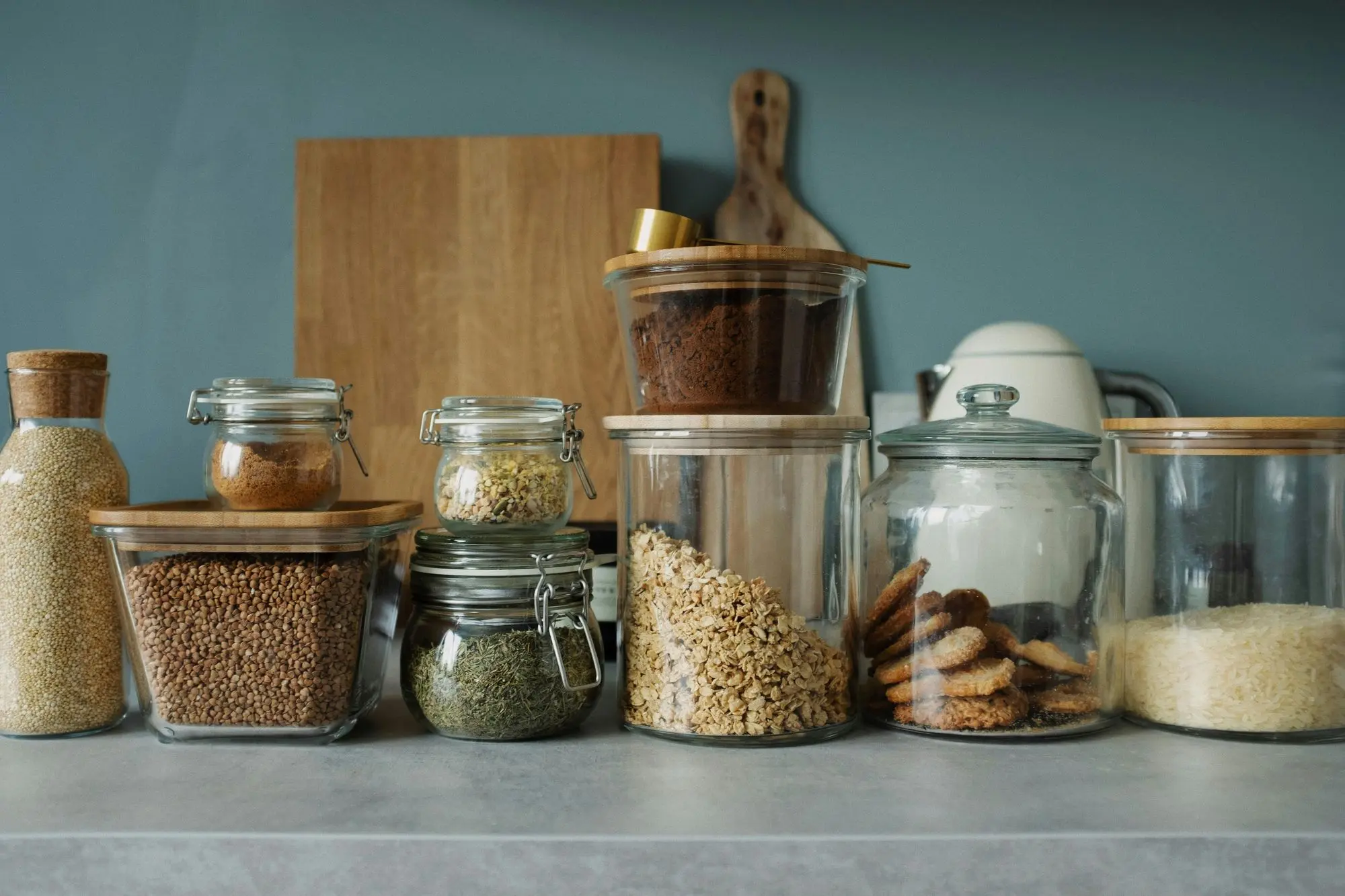
Use transparent containers for a better overview

Instead of opaque packaging, transparent containers are a game changer. Transfer flour, rice, pasta or pulses into jars or plastic boxes. This way, you can see at a glance how much is left and make more targeted purchases. Label the containers with a label or an erasable marker to avoid confusion.

Vertical storage - go up high

Many pantries have unused vertical space. Stackable bins, hanging baskets or shelf inserts are perfect for maximizing space. Even doors can be used with a hanging system for small jars of spices or snacks. Every inch of your pantry is put to good use.

Rotation principle: first in, first out (FIFO)

Place newly purchased food behind existing food. The FIFO principle helps you to use up older products first and prevents food from expiring on the last shelf. In addition, mark the best-before date with a thick marker on the front to keep track.

DIY sorting systems for small items

Small food items such as spice bags, stock cubes or tea bags often get lost in the shuffle. Use discarded ice cube trays, muffin tins or small boxes to sort these items neatly. Alternatively, you can also upcycle shoe boxes or storage baskets.

Use creative storage locations

Not all food needs to be stored in the kitchen. Potatoes, onions and root vegetables feel particularly at home in a cool, dark place. A small storage room, cellar or a special basket in the pantry are perfect. Make sure to store potatoes and onions separately, as they spoil more quickly.

Vacuum sealing for a longer shelf life

Foods such as nuts, dried fruit and coffee stay fresh for longer if they are vacuum-sealed. There are now affordable vacuum sealers that you can use for larger quantities. This minimizes oxidation and maximizes shelf life.

Seasonal and thematic sorting

Organize your pantry seasonally or thematically, depending on what you use frequently. For example, fragrant spices and baking ingredients can be at the front in fall, while in summer you tend to reach for barbecue sauces and light ingredients. This keeps the organization lively and suitable for everyday use.

Pay attention to temperature and humidity

Pantries should be cool and dry. Too much humidity can cause foods such as flour or sugar to clump together, while heat accelerates decay. A small hygrometer helps to check conditions, and a bag of silica gel (out of the reach of children!) or rice can absorb excess moisture.

Conclusion

A well-organized pantry is not only fun, but also makes everyday life easier. With creative containers, clever storage and a few DIY hacks, you can manage your supplies optimally and ensure that less food is wasted at the same time. Try out these tips and discover how much more enjoyable cooking and housekeeping can be!

Have you tried the Smantry app yet? It helps you keep track of your supplies and even find recipes to match your food. Download it today and make your pantry organization perfect!

image

Feel-good cooking from the pantry: warming dishes for cold days

When the temperatures drop and the days get shorter, there's nothing better than warming up with a hot meal. But don't worry, you don't even have to go shopping for it - with the right ingredients from your pantry, you can conjure up delicious and heart-warming dishes. Here are some simple recipe ideas that will warm you up on cold days and make clever use of your supplies at the same time.

Creamy pumpkin soup

If you still have pumpkin puree, coconut milk or vegetable stock in the cupboard, you can whip up a creamy soup in no time at all. Simply bring the pumpkin puree and stock to the boil, add coconut milk for an extra dose of creaminess and refine with spices such as nutmeg, cinnamon or ginger. Perfect for a cozy evening on the couch!

Lentil dal with rice

Lentils are one of the most versatile ingredients in the pantry. Combine them with coconut milk, curry powder and spices such as cumin or turmeric to create a warming lentil dal. Serve with rice or naan bread for a simple, filling and nutritious dish.

Chili sin carne

With a can of kidney beans, corn, chopped tomatoes and some chili powder, you can conjure up a delicious and warming chili sin carne. If you have onions or garlic to hand, you can add extra flavor to the dish. It's a great way to warm up from the inside while making good use of your supplies.

Pasta with tomato and garlic sauce

Pasta is a classic pantry staple and particularly popular on cold days. Simply make a sauce with chopped tomatoes, olive oil, garlic and spices such as oregano or basil. The warmth and aroma of this dish will make you feel good - like you're on vacation in Italy.

Oatmeal with cinnamon and apples

There are also warming options for breakfast! Cook oatmeal with milk or plant-based drink, sweeten with honey or maple syrup and top with cinnamon and apples. This simple and healthy dish will give you the energy you need to start the day and warm you up from the inside.

Tips for your pantry

To ensure you are always prepared for cold days, it is worth keeping these ingredients in your pantry:- Pulses such as lentils, beans and chickpeas- Canned tomato products- Coconut milk- Pasta and rice- Spices such as cinnamon, nutmeg and chili powder

Conclusion

With a few simple ingredients from your pantry, you can conjure up delicious dishes that will warm you up from the inside and make autumn or winter much cozier. Try out these recipes and discover how easy it can be to cook delicious and sustainable meals - without any extra effort.

Do you have any other pantry recipes that will keep you warm on cold days? Share them with us! And download the pantry app to better organize your supplies.

image

Simple hacks for using the Smantry app

Have you downloaded the Smantry app and want to get the most out of it? With a few simple hacks, you can organize your everyday life even better and avoid food waste in a smart way. Here we show you how to make the most of the app to save time and money!

Use the barcode scanner function

With the integrated barcode scanner, you can add your food to the pantry quickly and easily. Instead of entering the products manually, simply scan the barcode and the app will take care of the details. This not only saves time, but also provides a more accurate inventory overview.

Enter the best-before date directly when shopping

If you've been shopping, enter the best-before date (BBD) directly into the pantry app when you put things away. This way you can make sure that all dates are up to date and food is used up in good time.

Set reminders for expiry dates

Activate reminders for expiry dates to be reminded in good time before food goes bad. The app can notify you so that you can use up supplies in good time or use them creatively. This hack is especially handy for avoiding food waste and saving money!

Create a shopping list template

You can use the app to create shopping lists. If you buy certain basics like milk or bread over and over again, create a template that you can use again and again. This way you won't forget anything when shopping and avoid unnecessary impulse purchases.

Synchronize the app with your household

Share your pantry data with other household members so that everyone is always up to date. Whether you're a roommate or a family member, everyone stays informed and duplicate purchases are a thing of the past. We also offer the Premium Family License for up to 5 members. If you need help with the upgrade, please contact Support.

Use the shopping list as a checklist for events and occasions

Planning a cooking evening or a party? Create a checklist with the ingredients and products you need and make sure you have everything to hand. This way, you'll be stress-free and well prepared for every event and save on last-minute purchases.

Conclusion

With these simple hacks, you can use the pantry app even more efficiently and avoid food waste in your everyday life. Whether for everyday cooking, planning recipes or organizing shopping lists - the Smantry app offers many useful features that make your life easier and more sustainable.

If you are missing any other functions, we are always happy to receive your enhancement requests, which you can enter directly here:https://speisekammer.app/erweiterungen/

No account yet? Download the Smantry app and discover how easy it is to organize your supplies sustainably!

image

Sustainable Halloween – Spook with a Conscience

Halloween is just around the corner, and while we look forward to spooky costumes, pumpkins, and candy, there are plenty of ways to celebrate this holiday sustainably. Instead of diving into consumerism, you can make small changes to ensure that your Halloween is more eco-friendly. Here are some tips and ideas for a sustainable celebration without sacrificing fun.

1.Creative Costumes from Second-Hand Clothing

Rather than buying new costumes, check your wardrobe or local thrift stores for unique pieces. Old clothing or accessories can be transformed into creative and individual costumes. This not only saves money but also reduces textile waste. You can even host a costume swap with friends, making it a fun social event.

2.Sustainable Decorations

Skip plastic decorations and opt for natural materials instead. Pumpkins are a fantastic decoration option and can be eaten after Halloween. Carve your pumpkins and use the flesh for delicious recipes like pumpkin soup or muffins. Dried leaves, branches, and reusable decorations also add a festive touch to your home.

PortableText [components.type] is missing "image"

3.Eco-Friendly Treats

When purchasing candy, look for sustainable and fair products. Many brands offer organic sweets without artificial colors and flavors. You can also give out small gifts or homemade treats like cookies, which minimizes packaging waste and supports local producers.

4.Environmentally Conscious Celebrations

If you're planning a Halloween party, consider how to make it eco-friendly. Use reusable plates, cutlery, and cups to reduce plastic waste. Prepare snacks and drinks in bulk rather than individual portions. Encourage guests to bring sustainable costumes or decorations to foster creativity while minimizing waste.

5.Conscious Activities

Create sustainable traditions by incorporating eco-friendly activities into your Halloween celebrations. Visit a local farmers' market for fresh ingredients for your Halloween cooking. Organize a pumpkin carving event outdoors, where kids can learn to work with natural materials in a fun and engaging way.

Conclusion

A sustainable Halloween doesn't mean you have to forego fun. With just a few simple changes, you can celebrate in an environmentally friendly way while still enjoying the holiday. Focus on creative ideas, natural materials, and mindful consumption to create a Halloween that is not only spooky but also good for our planet.

Ready to make your Halloween more eco-friendly?Share your best tips and ideas with us!

image

5 Simple Tips to Make Your Autumn More Efficient

As the leaves change color and the days grow shorter, many people crave more structure and efficiency in their daily routines. Whether it's improving organization, managing stress, or boosting immunity against seasonal illnesses, autumn offers the perfect time to reassess and streamline your habits. Here are some practical tips to help you make the most of the season.

1.Improve Time Management with the Pomodoro Technique

ThePomodoro Techniqueis a well-known method for tackling tasks in focused intervals. You set a timer for 25 minutes, work intensely, and then take a short break. This is a great tool for maintaining productivity, especially during busy autumn months when work and personal life often blend together. By using timed intervals, you can avoid burnout and get more done.

Tip: Try apps like "Focus Booster" or "Tomato Timer" to easily integrate the Pomodoro technique into your daily routine.

2.Incorporate Seasonal Self-Care

Stress management andmindfulnessare becoming increasingly popular as the colder months approach. With the combination of holiday planning and work obligations, fall can be a particularly stressful time. Taking a few moments each day for self-care practices like meditation or yoga can help you stay grounded. Many people are searching for ways to reduce stress in the autumn months—this is your opportunity to cultivate new habits of mindfulness.

Tip: Explore guided meditation apps like "Headspace" or "Calm" to keep your mind clear and relaxed as the season progresses.

PortableText [components.type] is missing "image"

3.Strengthen Digital Security

With more time spent indoors and online during the fall,digital securitybecomes even more critical. More people are looking for ways to protect their data and devices, especially as online shopping increases during the colder months. Regularly updating your software, enabling two-factor authentication, and using strong, unique passwords are simple yet effective ways to safeguard your digital life.

Tip: Use password managers like "LastPass" or "1Password" to ensure all your accounts are secure and easy to manage.

4.Embrace Minimalism and Sustainable Living

Sustainability and minimalism are not just trends—they're lifestyle shifts that are gaining momentum, particularly in autumn when people start decluttering their homes and wardrobes. Fall is a great time to adopt asustainable mindsetby reducing waste, donating unused items, and simplifying your life.

Tip: Try starting with a Capsule Wardrobe or practicing Zero Waste living to make your fall more sustainable.

5.Boost Immunity for the Colder Months

As we transition into colder weather, many people are concerned about staying healthy and are searching for ways to boost theirimmune system. From consuming more vitamins to focusing on balanced diets, this time of year is perfect for preventative measures. Simple habits like taking more outdoor walks, ensuring adequate sleep, and including seasonal superfoods like citrus fruits or root vegetables can make a significant difference in your overall health.

Tip: Add vitamin C-rich foods like oranges, berries, and broccoli to your diet for a natural immunity boost.

Conclusion

Autumn not only brings cooler weather but also the chance to reassess your daily habits and embrace new routines. From time management to mindfulness and even boosting your immune system, these tips will help you make the most out of the season. And if you want to get your pantry organized and reduce food waste, be sure to check out theSmantry Appto stay on top of your kitchen supplies.

Call to Action

Ready to make your autumn more productive and stress-free?Discover the best tips for enhancing your daily routine and download theSmantry Appto organize your pantry and reduce food waste with ease. Stay mindful, stay productive, and stay healthy this fall!

image

Avoid food waste: Strategies for better housekeeping

Each year, approximately1.3 billion tonsof food is wasted globally. This isn’t just a waste of valuable resources like water, energy, and labor—it also means that a significant amount of money is thrown away. You might think that the hospitality industry is the main contributor to this problem, but the reality is different. Around40% of global food wastecomes from households, making them the biggest offenders. The good news? Reducing food waste at home is actually easier than you might think and can have a huge impact on both your wallet and the planet.

This highlights just how important it is to tackle food waste on a personal level, and with simple actions, each of us can make a difference!

Well planned is half as much thrown away

A good purchase needs to be well planned, regardless of whether you are a consumer shopper (which is what we are in our household, for example) or a stock shopper. The shopping list is essential. You can write it down on an old-fashioned piece of paper or digitally on your smartphone. There is now an app for almost everything. Before you go shopping, you should think about what your menu might look like for the week (for us, that's every day or every two days). Then you should check what you have left in the house. Incidentally, the shopping list always helps me to only buy what we really need, which in turn has a positive effect on my wallet.

Don't shop hungry

How often has this happened to me? I've gone shopping with a growling stomach and suddenly, for some inexplicable reason, the shopping cart was full to the brim. Since then, I've gotten into the habit of eating at least a snack before I go shopping.

Best before - not immediately expired

The best-before date simply indicates the date until which the manufacturer guarantees that their product is still edible - provided it is unopened and stored correctly. Once the best-before date has been reached, this does not mean that you have to dispose of the product immediately. Rely on your sense of taste and smell. If the food still tastes good and smells appetizing, then it is very likely that it is still edible. I know people who have even eaten yogurt that had been expired for over a year - and they survived. However, I am careful with meat and fish that is past its best-before date.

Get inventive when cooking

Personally, I can't stand it when I have to throw food away. We recently had a case at home with eggs that were a few days past their best-before date. So we spontaneously decided to make spaghetti carbonara. One egg didn't pass the “egg test” and had to be thrown away, but we were able to use the rest without any problems. So if you have food in your fridge/storage cupboard at home that has reached its best-before date, why not see what you can conjure up from it? I find that one-pot dishes are perfect for using up food that is about to expire. If it gets too much, you can simply invite friends over and eat the portions together.

PortableText [components.type] is missing "image"

Weekly planning is the key

To prevent food from being bought pointlessly and then thrown away, you should plan at least roughly what you are going to eat throughout the week. For example, Monday spaghetti, Tuesday schnitzel with chips and vegetables and so on. Planning your week can help you to go shopping in a targeted way. For example, I'm currently testing out a cooking box, which I'll blog about later. If you have the opportunity, you can also go shopping in an unpackaged store and get the exact amount of food you need. This is also good for the environment as it saves on packaging waste.

Freezing, preserving, canning

Food can of course also be preserved by freezing, preserving, canning or dehydrating it.

Correct storage

The shelf life of food naturally also depends on how it is stored. What belongs in the fridge should of course be stored in the fridge (logical, right?) and dry food should be stored in such a way that it cannot absorb moisture or is protected from pests.

Bonus tip: Use the Smantry.app

If you want to fight food waste, our Smantry.app can be a very helpful tool. With the help of our app, you can get a targeted overview of what food you still have at home. After shopping, simply scan the barcode and assign the right storage location to the food in question. As the cherry on the cake, you can also record the best-before date for the respective food in our app. Our Smantry.app also allows you to keep track of what food you still have in the house and how much of each product - so it no longer disappears into the depths of the freezer or store cupboard.

image

Digital Helpers for a Smarter Everyday Life – 6 Useful Apps for making life easier

In a world full of tasks, deadlines, and goals, finding ways to streamline everyday routines is key to staying organized and stress-free. The right apps can help you manage everything from fitness and mental health to financial planning and household organization. Whether you're working on building better habits or trying to manage your budget, these six apps will empower you to live smarter and more efficiently.

1.MyFitnessPal – Your Personal Nutrition and Fitness Tracker

If you're aiming to stay on top of your health,MyFitnessPalis a must-have. This app helps you track your calories, macronutrients, and even your workouts. With a massive food database and the ability to log meals and exercises, it offers a comprehensive way to keep tabs on your fitness journey. You can even sync it with wearables like Fitbit or Apple Watch to have a complete picture of your health.

Features: Calorie counting, nutrition tracking, and workout logsWho it's for: Anyone looking to maintain a healthy lifestyle, track fitness progress, or manage weight.

PortableText [components.type] is missing "image"

2.YNAB (You Need A Budget) – Take Control of Your Finances

Managing money can feel overwhelming, but withYNAB, you can create a budget that works for your lifestyle. This app helps you give every dollar a job, ensuring you're ready for any expense that comes your way. With tools to set savings goals, manage debt, and plan for the future, YNAB transforms how you handle your finances, encouraging better money habits and helping you reach financial security.

Features: Budgeting, financial planning, and goal settingWho it's for: Anyone who wants to take charge of their finances, save more effectively, or manage debt.

3.Habitica – Turn Your Life Into a Game

Want to turn everyday tasks into a fun, motivating experience?Habiticaturns your to-do list and habit tracking into a game, where you earn points and rewards for completing tasks. Whether it’s daily habits, long-term goals, or project milestones, Habitica helps you stay focused and productive by making work feel like play. Plus, you can join group challenges for even more motivation.

Features: Gamified task management and habit trackingWho it's for: Those who struggle with procrastination or want a more engaging way to stay productive.

PortableText [components.type] is missing "image"

4.Forest – Boost Focus and Stay Productive

If distractions keep getting in the way of your productivity,Forestis here to help. The app encourages you to stay focused by planting a virtual tree that grows as long as you don't leave the app to check notifications or browse the web. If you get distracted, your tree withers away. For extra motivation, Forest partners with tree-planting organizations, so staying focused also contributes to real-world reforestation efforts.

Features: Focus and productivity tracker with environmental impactWho it's for: Anyone who wants to cut down on distractions and improve concentration while contributing to a greener planet.

5.Headspace – Mental Wellbeing and Mindfulness

Taking care of your mental health is crucial, andHeadspaceoffers the tools to help you cultivate a sense of calm and mindfulness in your day. With guided meditations, sleep programs, and breathing exercises, Headspace helps you reduce stress, improve focus, and even sleep better. It's an ideal app for both beginners and those with experience in mindfulness practices.

Features: Guided meditation, stress relief, and sleep programsWho it's for: People looking to improve mental wellbeing, manage stress, or build a meditation practice.

6.Smantry.App – Organize Your Pantry, Reduce Waste

If you’re tired of food going bad before you get a chance to use it, theSmantry.Appcan help. This app keeps track of your pantry, fridge, and freezer contents, making it easy to see what you have and what you need. It even suggests recipes based on what’s already in your kitchen, helping you plan meals more efficiently and cut down on food waste. By organizing your food supply, you’ll save money and reduce the stress of last-minute shopping trips.

Features: Pantry inventory, meal planning, and waste reduction

Who it's for: Anyone who wants to manage their food inventory, reduce food waste, and plan meals more efficiently.

PortableText [components.type] is missing "image"

With these six apps, you can take control of your daily routines, build better habits, and manage important areas of your life more effectively. Whether you're looking to boost your productivity, manage your finances, or simply reduce food waste, these tools offer simple, effective solutions to help you live smarter.

image

Fit for winter - healthy and sustainable through the cold season with the right preparation in October

October is the perfect time not only to prepare for the darker and colder months, but also to lay the foundations for a sustainable and healthy diet. As nature goes into its resting phase, we can already take steps now to get through the coming winter healthy, full of energy and without wasting food unnecessarily. With the pantry app, you have the opportunity to consciously stock up, make the most of your kitchen and get through the winter in good health.

Plan supplies cleverly - now is the best time!

October marks the transition from the abundance of the harvest season to a time when fresh, seasonal produce becomes scarcer. So it's the perfect time to rethink and adjust your stockpile. With a few smart strategies, you can make sure you have healthy and nutritious meals available in winter without having to shop constantly.

Some storage tips:

Grains and pulses:long-life foods such as quinoa, rice, lentils or beans should have a permanent place in your stash. Not only are they rich in protein and fiber, they are also versatile and can be used in soups, stews and salads.Preserves and fermented foods:Whether sauerkraut, kimchi or pickled cucumbers - fermented foods not only have an extremely long shelf life, but are also good for your gut health. Now is the time to make these foods yourself or buy them fresh to enjoy in winter.TheSmantry.apphelps you to manage your supplies and not forget anything. With the integrated expiration date tracker, you can keep an eye on when you should use up which food before it goes off.

PortableText [components.type] is missing "image"

Meal prepping for the winter

Meal prepping is not only a wonderful way to save time, but also a clever strategy to get through the winter without stress. You can use October to prepare and freeze larger quantities of stews, soups or lasagnas. This way, you'll always have a quick, healthy meal ready when the days get shorter and busier.

Meal prep ideas for winter:

Vegetable stews:use seasonal ingredients such as pumpkin, sweet potatoes and root vegetables to make hearty stews that you can freeze in portions.Soups:Pumpkin soup, potato soup or a spicy lentil soup are ideal candidates for the freezer. Soups can be reheated wonderfully and spiced up with fresh herbs.Oven dishes:Lasagnas, casseroles and quiches are perfect for preparing in advance and freezing. You can reheat them directly in the oven and have a full meal on the table in no time.

Sustainable shopping and storage

Conscious shopping in October also means focusing on local and seasonal products that store well. Go for long-life varieties such as root vegetables, pumpkins and apples. Not only can they be stored for a long time, but they also provide many nutrients that strengthen your immune system in winter.

Storage tips:

Root vegetables:Carrots, beet and potatoes can be stored in a cool, dark place for weeks or even months. Make sure to store them in a dry and well-ventilated place.Pumpkin:Hokkaido and butternut squash have a long shelf life if stored in a cool, dry place. They are versatile and are suitable for both soups and oven dishes.Apples:Regional apple varieties harvested in October can be stored for months under the right conditions. Make sure to store them separately from other fruit, as they release ethylene, which causes other fruit to ripen faster.The Smantry app helps you to buy and store seasonal produce in a targeted way, so that you avoid food waste and always get the best out of your stock.

Boost your immune system for the winter

October is also the time to do something good for your body and prepare your immune system for winter. In addition to a healthy, balanced diet, you can now incorporate fermented foods such as sauerkraut and kimchi, which are rich in probiotics and promote gut health. Sufficient fresh fruit and vegetables, such as apples and pumpkin, also provide the necessary vitamins to strengthen the immune system.

Let winter come - you're well prepared! Start now with the Smantry.app, organize your supplies cleverly, discover seasonal recipes and prepare for the cold season stress-free. Download the app and get your kitchen cupboard ready for winter. 🌱❄️

👉 Use the pantry app now and enjoy the winter!
image

Autumnal feel-good cuisine - healthy, delicious and seasonal with the Smantry.app

Autumn is the time for coziness, when it gets colder outside and we long for warming dishes. At this time of year, seasonal cooking plays a major role in putting not only delicious, but also nutritious and sustainable meals on the table. With the pantry app, you can keep track of your supplies and conjure up creative fall dishes that will warm your body and soul.

Fall comfort food recipes

Autumn dishes such as pumpkin lasagne or chestnut gnocchi not only offer delicious flavors, but also provide your body with valuable nutrients. Pumpkin provides beta-carotene and chestnuts are full of vitamins and minerals - ideal for the colder days.

Pumpkin lasagne recipe:

Ingredients:Hokkaido pumpkin, lasagne sheets, ricotta, parmesan, onions, garlic, mozzarellaPreparation:Sauté the pumpkin with onions and garlic, puree and layer alternately with lasagne sheets and ricotta. Bake in the oven with Parmesan and mozzarella until golden brown.

Chestnut gnocchi recipe:

Ingredients:Chestnut flour, potatoes, egg, butter, sagePreparation:Mash boiled potatoes, mix with chestnut flour and egg. Shape into gnocchi and cook in boiling water. Then toss in butter and sage.

PortableText [components.type] is missing "image"

Clever use of stock and processing seasonal products

With the Smantry.app, you can keep an eye on your supplies and make sure you don't waste any food. Do you have apples that are getting soft? Perfect for a simple apple crumble.

Apple crumble recipe:

Ingredients:Apples, cinnamon, sugar, flour, butter, rolled oatsPreparation:Peel and dice the apples, mix with cinnamon and sugar, place in a baking dish. Work the flour, butter and rolled oats into a crumble, sprinkle over the apples and bake until golden brown.

PortableText [components.type] is missing "image"

Seasonal products in the fall

Take advantage of the abundance of seasonal fall ingredients such as pumpkin, apples, cabbage and root vegetables. These not only offer plenty of flavor, but also numerous health benefits.

Pumpkin:Rich in beta-carotene, which is converted into vitamin A in the body, pumpkin strengthens the immune system and supports skin and eye health. It also contains potassium, which is important for blood pressure, and fiber, which aids digestion.Applesare a good source of vitamin C, which supports the immune system and can reduce inflammation in the body. The fiber they contain, especially pectin, promotes healthy digestion and can lower cholesterol levels.Cabbage:Particularly rich in vitamin K, which is important for bone health, and vitamin C, cabbage is a real powerhouse for the immune system. It also contains sulforaphane, a compound that has an anti-inflammatory effect and can potentially reduce cancer risks.Root vegetables (such as carrots, parsnips and beet):These are rich in fiber and antioxidants that aid digestion and have anti-inflammatory effects. Carrots provide beta-carotene, while beet can promote blood circulation and regulate blood pressure.

🍽Enjoy the fall now, download the Smantry.app and start cooking right away!

image

Store and preserve autumn treasures correctly

In this article, we will help you to store apples correctly, which ones are best suited for this purpose and how you can easily keep them for up to 12 months.

September and October are our golden harvest months when it comes to long-lasting fruit and vegetables. Have you also been able to harvest lots of apples, pears, plums or quinces from the garden? Or were provided for by friends and family?

This is often a double-edged sword. Because everyone is happy about the great treasures that can be used to prepare all sorts of great things. But perhaps you also ask yourself how dishes can be modified so that you don't have to eat the same thing every day. After all, food can quickly become stale or even spoil if it is not eaten. That would be annoying, wouldn't it?

We want to help you with this issue and bring more variety into your diet with our tips and recipes. Our app also ensures that you don't miss any food expiring, saving you money. If you don't know it yet, give it a try!

Our first recommendation and also the best-known way to preserve ripe fruit for longer is preserving it. This prevents rapid spoilage and the preserved food can easily be kept for 12 months. Preserved food can easily be integrated into other meals in different variations.

Puree is a must!

Whether applesauce, raspberry purée, pear purée, apricot purée, plum purée, rosehip purée, coconut purée or nut purée. Puree is the easiest version of preserving.

It's very simple with puree. Whether for pancakes, porridge, pancakes or on cakes. There are no limits to your preferences.

PortableText [components.type] is missing "image"

Storing fruit correctly

Have you ever felt the same way, you have lots of apples and they rot faster than you can eat them? We know this problem too. In addition to the type of apple, the most important thing here is correct storage. Only the daily requirement should be stored in the fruit bowl. Everything else should be stored in a cool, dark place, such as the cellar. Humidity levels of 85 to 90 % are ideal here. It is also important to store apples separately from other fruit and vegetables. This is because apples affect their ripening process. If the apples are undamaged, clean and dry, they can keep until spring without any problems.

The apple variety, what makes the difference in storage?

Not every apple can be stored without problems. There are early/summer, fall and winter apples. With this list, we want to make it easy for you to get a better overview of the shelf life.

Granny Smith

  • Best Storage Method: Refrigerate in a cool place (0-4°C)
  • Shelf Life: Up to 6 months
  • Storage Tip: Keep in a plastic bag with holes to retain moisture while allowing air circulation.

Honeycrisp

  • Best Storage Method: Refrigerate in a crisper drawer
  • Shelf Life: 2-3 months
  • Storage Tip: Keep away from other fruits to prevent rapid ripening due to ethylene gas.

Fuji

  • Best Storage Method: Store in a cool, dark pantry or refrigerate
  • Shelf Life: Up to 5 months (refrigerated)
  • Storage Tip: Wrap individually in paper to prevent bruising and rot.

Gala

  • Best Storage Method: Store in the refrigerator
  • Shelf Life: 1-2 months
  • Storage Tip: Place in a perforated plastic bag to maintain humidity levels.

Golden Delicious

  • Best Storage Method: Store in a cool, dry place or in the fridge
  • Shelf Life: 3-4 months
  • Storage Tip: Store loosely in the crisper drawer for maximum freshness.

Pink Lady (Cripps Pink)

  • Best Storage Method: Refrigerate in the crisper drawer
  • Shelf Life: 3-4 months
  • Storage Tip: Avoid storing near strong-smelling foods, as they can absorb odors.

Red Delicious

  • Best Storage Method: Store in the refrigerator
  • Shelf Life: 2-4 months
  • Storage Tip: Keep in a breathable bag to maintain texture and prevent softening.

McIntosh

  • Best Storage Method: Refrigerate
  • Shelf Life: 2-3 months
  • Storage Tip: Handle carefully to avoid bruising, as they are softer apples.

Braeburn

  • Best Storage Method: Refrigerate or store in a cold room
  • Shelf Life: 2-3 months
  • Storage Tip: Wrap in paper or store in a perforated bag to ensure air circulation.

Jonagold

  • Best Storage Method: Store in a cool, dry place or refrigerate
  • Shelf Life: 2-3 months
  • Storage Tip: Keep away from direct sunlight and check regularly for spoilage.

Other methods

Compote is another way in which you can extend the shelf life of many types of fruit and vegetables. You can also store it for up to 12 months or even longer without any problems. It is important to do a visual inspection from time to time. After all, it's easy for a jar to become airy or perhaps contaminated at the beginning. Use our app to help you keep track of how much of what you have left and by when it needs to be used up.

Good preparation is everything!

This saying is not far-fetched and is an important tip when it comes to adding variety to your diet. Because instead of eating potato pancakes with apple sauce 3 days in a row, you can easily make delicious changes to your meals. Here we show you 3 ways to not only cover lunch, but also to spice up breakfast and dinner in a varied way.

Breakfast:Pancakes with apple sauce*

In between meals:Applesauce cake*, yogurt with applesauce

Lunch:Schupfnudeln with apple sauce

Dinner:Bread with peanut butter and apple sauce

Tip:Applesauce can also be used as an egg substitute. One egg is replaced by 70 grams of puree. Give it a try!

PortableText [components.type] is missing "image"

The tomato

The tomato is a vegetable that can also be preserved very quickly by canning, without long preparation. When you think of tomatoes, you probably first think of a delicious sauce that you can prepare. But with a little thought, you can also add variety to your plate.

If you make a tomato compote, you can easily make fantastic variations for breakfast, lunch and dinner. It tastes delicious on toasted white bread, ala bruschetta or on buttermilk biscuits for breakfast. A tomato and basil compote is also delicious with grilled meat or vegetables. It will keep in the fridge for around a month without any problems. If you want to keep it for even longer, boiling it down is essential.

You can easily make a sugo from boiled tomatoes to conjure up a delicious tomato sauce. This means that the often popular dish of pasta with tomato sauce can be whipped up in no time at all. Cooked tomatoes or vegetables are also very suitable for preparing casseroles. Whether as lasagne, moussaka or a vegetable quiche. There's plenty of room for your creativity here.

So, are you itching to get started right away? Great, then get to the jars. But don't forget! With all the storage jars in your hand, it can be easy to lose track of the shelf life and forget which one to use first. To prevent this from happening, our app helps you keep track digitally. Check right now whether everything is still in the green zone. Not using the app yet? Then download it now and test it for free.

We hope you enjoy preserving your fall treasures!

image

5 tips for saving money when stocking up - plus bonus tip

Effective stockpiling is a great way to save money in everyday life. With a few simple strategies, you can reduce your household costs and at the same time ensure that you always have enough food or “everyday products”, as they say, at home. In this article, we share ten practical tips to help you become more efficient and cost-effective in your stockpiling. Whether it's through clever shopping lists, taking advantage of offers or storing food correctly, there are many different strategies you can use to save money. Here too, you don't have to slavishly follow our tips. Pick out what you can implement best or modify it so that it is feasible for you. Incidentally, I can say from my own experience that there are definitely advantages to having at least a few basic groceries at home. We've been a bit stressed over the last few weeks and thanks to our stockpile, we haven't had to go shopping every third day. Now, however, we urgently need to stock up again.

The good old shopping list

What's the saying? Good planning is half the battle. This also applies to shopping. Even if it's really annoying (at least that's how I feel), a shopping list only helps me to buy the things that we really need. Well, okay, every now and then I might take one or two products with me that I don't necessarily need, but this is about progress and not perfection. Before you start writing your shopping list, you should at least think roughly about what you want to cook this week. Of course, this will then go on the shopping list. By the way: TheSmantry.appalso has a shopping list function 😉

Plan bulk purchases

This point is actually relatively easy to implement for singles too, because bulk shopping doesn't mean that you have to buy 5 shopping carts full or more, as you often see in documentaries. You should take advantage of offers, even if you are single. Dry foods such as rice, pasta and oatmeal feel like they will keep forever. However, keep the size of your storage facility in mind. After all, it's no use if you suddenly have 20 packs of pasta from the special offer at home but no way to store them. Make sure you use older supplies first to avoid waste from expired food. In the Smantry.app, you can enter the best-before date of the products and assign a storage location.

Private label instead of branded product

Another tip for saving money are the supermarkets' and discounters' own brands, which are often cheaper than branded products and still have good quality. Incidentally, many of these own brands are backed by well-known manufacturers. Private labels are therefore not of inferior quality, as many brand fetishists argue. If you don't necessarily want to process your fruit and vegetables fresh, then the frozen variety can be the solution, at least in some cases. Frozen food is often cheaper and, above all, has a longer shelf life.

Grow your own

Of course, not all of us have a garden and/or a huge terrace or balcony. But even in a few pots on the windowsill, you can grow herbs, for example. The classic home-grown crop is probably tomatoes. If your thumbs aren't quite as green (like mine), you can buy pre-grown young plants. A south-facing balcony would be ideal, as tomato plants are very sensitive to the cold, which is why they should only be put outside in May after the Ice Saints. You can grow almost all tomato plants in containers, but you should make sure there is enough space between the individual plants.

PortableText [components.type] is missing "image"

Buy local and seasonal

This tip is “old but gold” and actually quite logical. Food that has to travel long distances before it ends up on our plates is generally more expensive than food that has been produced locally. One of the reasons for this is the shorter transportation routes. This not only reduces direct logistics costs, but also indirect costs such as packaging, storage and handling. Conversely, shorter transportation routes also mean lower CO₂ emissions. So if you buy locally, you are also doing something for the climate. In addition, locally produced food often produces less packaging waste. Of course, not everyone has the opportunity to shop locally at a weekly market or the farm store around the corner. Organic markets usually also offer regionally produced food where possible. You can now even find regional products in many discount stores and supermarkets. There are now also many vending machines offering regional products.

Bonus tip: Don't feel guilty

Organic products are of course still more expensive than products from industrial production, whether they are regional or have a better carbon footprint. Not everyone can afford to buy only organic products. So don't feel guilty if you don't just buy food from the farm around the corner. Personally, I firmly believe that it's the mix that makes the difference. Maybe you can swap a conventionally produced product for an organic product every now and then.

image

Strengthen your immune system and live healthier: Preparing for fall with the Smantry.App

Autumn is just around the corner, and with the cooler temperatures often come colds and flu epidemics. A strong immune system is now more important than ever. How can you strengthen your immune system to get through the colder months in good health? The answer lies in the right diet and a conscious approach to food - and this is where the Smantry.App comes into play.

The role of nutrition for a strong immune system

A balanced diet, rich in vitamins and nutrients, is the key to a strong immune system. Foods such as fresh fruit and vegetables, whole grains, nuts and seeds provide exactly the nutrients your body needs to defend itself against infections. These are particularly important:

  • Vitamin C (e.g. in peppers, citrus fruits, broccoli)
  • Vitamin D (e.g. in mushrooms and fortified foods)
  • Zinc (e.g. in nuts, chickpeas)

With the Smantry app, you can add foods rich in these immune boosters to your pantry and find recipes that combine them perfectly.

Seasonal fall products for your immune system

In fall, seasonal foods such as pumpkin, apples and mushrooms offer valuable ingredients to support your immune system. Pumpkin is rich in beta-carotene, which the body converts into vitamin A - another important nutrient for a strong immune system. With the app, you can cleverly integrate these ingredients into your dishes and avoid food waste.

For example, a simple baked vegetable dish with pumpkin and mushrooms, combined with a vitamin C-rich herb quark, strengthens your immune system and can be prepared in just a few minutes.

Meal planning: preparing for the cold season

Good planning is especially important in the fall. With the Smantry.App, you can plan your meals in advance and make sure you always have the right foods on hand for a healthy diet. By tracking your supplies, you know exactly when you should consume which products to take full advantage of their nutrients.

Don't forget hydration and fermented foods

In addition to a vitamin-rich diet, proper hydration also plays an important role for the immune system. Drink enough water and supplement your diet with probiotic foods such as yogurt or fermented vegetables (e.g. sauerkraut or kimchi). These support your gut health, which is closely linked to a strong immune system.

Conclusion: Autumn is the time to strengthen your immune system with the right nutrition. With the Smantry.App, you can not only keep an eye on your supplies, but also plan healthy, immune system-friendly recipes and avoid food waste. Stay healthy and start the cold season stronger!

image

10 steps to create an effective shopping list

You know the situation - you're standing in front of your fridge trying to figure out what's missing and urgently needs to be bought, thinking to yourself “Oh, I can easily remember these few things.” Then it's off to the supermarket and discount store. Once you're back home, you realize when you're putting things away that you're missing a few very special things and usually these are the things you urgently need for cooking/baking. I am definitely one of those people. The solution is actually quite simple: a shopping list. Here are 10 steps that make creating a shopping list much easier.

Get an overview

Before you go shopping, you (and I, of course) should get an overview of what's left in the house. Of course, this works better if there is a certain basic order in the fridge and cupboards. Maybe you'll find one or two things that need to be processed urgently, although this doesn't apply to users of the Smantry.App. The app informs you promptly when the “best-before date” is approaching.

What do you really need?

I'm one of those people who always tends to buy too much. A shopping list, which I write by hand the old-fashioned way, helps me combat this. When shopping, it's crucial that you concentrate on what you really need. After all, people tend to shop impulsively. As I've already mentioned in another blog, I'm one of the typical packaging victims. A shopping list also helps against this. Don't buy foods that are currently in vogue and that you don't actually like. Sort your shopping list from the must-haves (for me, this would be pasta and cooking cream, for example) to the nice-to-haves. A well-organized shopping list helps you to avoid waste.

Divide your shopping list into categories

While we're on the subject of sorting, you can divide your shopping list into categories. For example, fruit and vegetables, meat, bread, snacks, etc. How many times have I run back through the supermarket and discount store because I've forgotten something - and almost as often something has ended up in the shopping cart that I didn't actually need.

Use digital helpers

If you don't like writing your shopping list by hand, then your smartphone is your best friend. There are numerous apps that can help you create and organize your shopping list. By the way, one of them is the Smantry.app ;)

Take advantage of offers and discounts

There are discount coupons, either in the brochure of the relevant discounter or supermarket or in the relevant app.

Shopping according to the seasons

Shopping according to the seasons offers you the wonderful opportunity to sustainably source the right products and enjoy the diversity of nature. Seasonal and regional fruit and vegetables, for example, do not have to travel long distances, which has a positive effect on your carbon footprint. In spring, these include asparagus, rhubarb, young lettuce and berries. In summer, the regional selection is naturally larger, with juicy tomatoes, strawberries, crunchy cucumbers and a wide variety of fruit. But fall also has a rich selection. There are pumpkins, apples, pears and, of course, mushrooms. Only in winter is the choice a little more limited. Here, however, you can fall back on the frozen variety, for example, if you wish.

First things first

Sorting your shopping list is an important step towards efficient shopping. As mentioned above, it makes sense to sort the products by category, for example by bread, milk, fruit and vegetables, dry foods, etc. Real professionals even sort their shopping list according to the location of the food. The reason for this is relatively clear: you save time and avoid unnecessary running back and forth. But for me, shopping also has something to do with relaxation and I actually quite enjoy strolling through the shelves. The shopping list should help me to avoid impulse purchases - and of course not to forget anything so that I don't have to run back and perhaps be tempted after all.

Stock up on supplies

We often cover the topic of stockpiling on the Smantry.app blog. If you want to stock up sensibly, you should always put an extra pack in your shopping basket when you go shopping, for example. So two packs of pasta instead of one. However, you should use up the food in your “daily store” and then replenish it again and again. The pantry app not only informs you which products are about to expire, but also how much of which product you still have in the house.

Check - check everything again

Before you leave the house, you should at least roughly check once again whether you really have everything you need on your shopping list. Also make sure you have your wallet and enough transportation for your purchases.

Stay flexible and don't forget to have fun

A shopping list is exactly what the name says: a list. It's not a law that you have to follow slavishly. You are therefore welcome to be spontaneous and it is okay to put something tasty in your shopping cart that is not on the list - as long as it stays within reason. Slips are also perfectly forgivable. As long as it stays within reason.

image

Vanlife with pets: Tips for traveling with your best friend

Life in a van not only offers adventure for you, but also for your furry companions. Whether it's a dog, cat or a more exotic companion, vanlife with pets requires special considerations and preparations. In this blog post, we share practical tips on how to enjoy life on the road with your pet and how the Smantry app can help you manage their needs.

Preparation and safety

Safety first, especially when it comes to your pets:

  • Vet visits: make sure your pets are healthy and have all necessary vaccinations before traveling.
  • Emergency contact: Have a list of vets along your route ready and make a note of their emergency contact too.

Travel comfort for your pet

Make your pet as comfortable as possible during the journey:

  • Transportation options: Invest in a secure carrier or car seat for your pet.
  • Take breaks: Plan regular breaks for walks and toilet breaks to minimize stress.

Healthy nutrition on the road

Make sure your pet has a balanced diet during the van trip:

  • Food supplies: store enough food and water for your pet in the van.
  • Use the Smantry.app: The app will help you keep track of your pet's food supplies and remind you in time to get new ones.

Activities and exercise

Your pet needs exercise and activity, even in the van:

  • Walks and hikes: Plan routes and places where your pet can let off steam.
  • Toys and activities: Pack toys and other activities to keep boredom at bay.
  • The Smantry.App: Your helper for pets on the go

The Smantry.App offers functions that are also tailored to the needs of pets in the van:

  • Manage food supplies: Keep track of your pet's food and water reserves.
  • Timely reminder: Be reminded before something runs out or reaches its best-before date.

Download the Smantry.App today and make vanlife a comfortable adventure for your pet too!

image

Sustainable and Seasonal Eating: The Food Trend of September 2024

In September 2024, the food and recipe world is all aboutseasonal and sustainable eating. These aren't just big buzzwords but perfect ways to make your meals more eco-friendly and mindful. If you're into fresh, flavorful, and regional ingredients, this month is ideal for getting creative in your pantry.

1.Seasonal Fruits and Vegetables in September

September offers a bounty of regional produce. At local markets and farm shops, you'll find fresh apples, pears, pumpkins, zucchini, and more. Using these ingredients in your meals not only enhances flavor but also reduces your environmental footprint by minimizing transport emissions​.

How about a deliciousPumpkin Risotto? Pumpkins are in season in September and can be used in many ways. This creamy risotto combines pumpkin with Parmesan and sage for the perfect autumn flavor.

Ingredients: Hokkaido pumpkin, risotto rice, vegetable broth, onion, Parmesan, white wine, butter, sage

Instructions: Dice the pumpkin and sauté with onions. Add the risotto rice and deglaze with white wine. Gradually stir in the hot broth until the rice is cooked. Finish with Parmesan, butter, and sage.

This hearty seasonal dish is perfect for September!

PortableText [components.type] is missing "image"

2.Freezing, Preserving, and Fermenting

To enjoy September's harvest beyond the month, you can preserve fruits and veggies. Freezing bell peppers or zucchini, or fermenting cucumbers are great ways to save the flavors of fall. Making jams from plums or pears is another delicious way to preserve the season​.

3.Zero Waste and Avoiding Food Waste

Make use of "imperfect" fruits and vegetables for sauces or smoothies to reduce food waste. Overripe bananas are excellent for banana bread, and slightly mushy tomatoes are perfect for sauces​.

4.App Tip: Use the Smantry efficiently

With theSmantry.App, you can always track your pantry and plan meals accordingly. The app helps minimize food waste by showing exactly what you have and what you need for new recipes. Combine seasonal products from your kitchen and create creative dishes with existing ingredients.

PortableText [components.type] is missing "image"

By incorporating these trends into your daily life, you’ll enjoy fresh, healthy food while benefiting the environment and your wallet.

Want more tips for a sustainable kitchen?Check out the Smantry.App and discover more exciting articles on seasonal cooking and mindful eating.

image

Pantry storage for singles: simple, sustainable and delicious

Stockpiling or prepping is very much in vogue. Even the Federal Office of Civil Protection now recommends that people stock up for around 10 days. However, this can be a real challenge, especially for singles, as most pack sizes are designed for couples or families, which is not a bad thing for stockpiling - but it is for consumption. There is also the problem of space, as most singles will not have the storage facilities that a family with a house has, for example.

Nevertheless, keeping stocks is not impossible, even for single people. But how do you start? And what belongs in a single person's pantry that should be both practical and inspiring?

The storage cupboard: a small universe full of possibilities

The heart of any pantry, whether for singles, couples or families, is the larder. The following list is just a good starting point and not something you have to stick to slavishly. Your pantry should always reflect your individual preferences. There's no point in storing five packs of rice, for example, if you don't eat it at all. It will probably take some time to put together the perfect stock for you, but we're not aiming for perfection here. Always keep in mind: a little stockpile is always better than no stockpile at all. Feel free to experiment and adapt.

Staple foods:

Grains and pseudocereals: quinoa, rice, couscous, bulgur and of course pasta - choose whole grain varieties for an extra nutritional kick.

Pulses: Lentils, chickpeas and beans (dried or canned) are nutritious, versatile and have a long shelf life.

Nuts and seeds: Perfect as a quick snack between meals, as a topping or ingredient in many dishes.

-Spices and herbs: They are the magicians in your kitchen. A well-stocked spice rack can really make a difference. Also stocks, sauce cubes and the like.

Preserves and jars:

Tomato products: Strained tomatoes, tomato paste and whole peeled tomatoes can serve as a base for numerous dishes.

Pickled vegetables: Cucumbers, olives, artichokes and more offer quick flavor kicks and enrich salads and hot dishes. However, pickled vegetables are not for everyone. If you don't like them, it's no problem if they don't make it into your pantry.

Pickled fruit: For desserts, as a topping for breakfast porridge or simply as a snack between meals. Of course, the same applies here as for pickled vegetables, if you simply can't stand pickled fruit.

Miscellaneous:

Vinegar and oil - vinegar in particular has an eternal shelf life if left unopened

Sweeteners: honey, maple syrup or agave syrup. This also includes sugar and sweeteners such as erythritol. These should be stored in an airtight container if possible, as both can absorb water and then clump together.

Sometimes less is simply more: meaningful pantry management

It is, of course, extremely tempting to jump at every offer in order to replenish your stock as quickly as possible. This makes perfect sense when you're just starting to stock up. But it doesn't make sense if you have to throw the food away after a while because it starts to spoil. Of course, there is a solution to this too. The magic word (or rather the magic words) is “active stockpiling”. When you stock up, use up the food that is about to expire first. You can use the pantry app to monitor when this is the case. Then simply buy more of the product.

Practical tips for everyday life

  1. Plan your meals: This may sound like a lot of work and completely overwhelming at first, at least that's how it was for me. I then started to take a step-by-step approach and first planned my meals for two days in advance and then went shopping accordingly. I also got into the habit of always taking an extra packet of pasta or oatmeal, for example.

2. First in, first out: actually quite logical. Use up what you bought first. It is best to record the food in the pantry app immediately after shopping.

3. Preserving jars: I personally love preserving jars. I use them for multiple purposes. As drinking glasses, as pen storage and for storing dry food. I have also converted some of them into lanterns.

4. Creativity is required: I have to admit that I hate having to throw food away, which is why we make sure we only buy what we really like when we go shopping. If, contrary to expectations, there is food that urgently needs to be used up, we try to get creative with the recipes so that we can use up as much as possible before it has to go in the garbage can.

PortableText [components.type] is missing "image"

Finally, one more recipe

Quick lentil and tomato soup

1 cup of red lentils

1 tin of peeled tomatoes

1 onion, diced

2 cloves of garlic, finely chopped

vegetable stock

spices: Cumin, paprika powder, salt, pepper

Optional: a dash of coconut milk for extra creaminess

Sauté the onion and garlic in a pan with a little oil. Add the lentils, tomatoes and stock. Season with spices and simmer for about 20 minutes. You can puree the soup for a smoother consistency. Done!

Download our Smantry.App now to optimise your storage even in a single household. This is your helper if you don't want to throw food away and if you want to keep an overview about everything you have in your pantry!

image

Meal prepping in the van: efficient and delicious on the go

Meal prepping is a great way to save time and money while enjoying healthy meals. Especially in a van, it can make everyday life much easier. In this blog post, you will learn how to plan and prepare your meals in advance. We also show you how the Smantry.app helps you to always be well organized and prepared.

  1. Advantages of meal prepping in the van
  • Meal prepping offers many advantages, especially when living in a van:
  • Time saving: preparing several meals at once saves you time in your daily routine.
  • Cost savings: Targeted shopping and avoiding leftovers help you save money.
  • Health: Prepared meals enable a balanced diet and prevent unhealthy impulse purchases.

2. How to get started with meal prepping in the van

Planning:

Create a meal plan:Plan your meals for the week in advance. Take into account your travel plans and possible storage options.

Shopping list:Use the Smantry app to create a shopping list. This will ensure you have all the ingredients to hand.

Preparation:

Prepare meals:Cook larger quantities and divide meals into portions. Use reusable containers for storage.

Store food correctly:Use refrigeration options and be mindful of food shelf life.

3. Simple and delicious meal prep recipes

Here are three simple and delicious recipes that are perfect for meal prepping in the van:

Recipe 1: Lentil Stew

Ingredients: Red lentils, carrots, potatoes, onion, garlic, vegetable stock, tomato paste, olive oil, salt, pepper, paprika, cumin.

Instructions: Chop the carrots, potatoes, onion and garlic. Sauté in olive oil, add the lentils and vegetable stock. Add tomato puree and spices and simmer for about 20 minutes. Divide into containers and store.

Recipe 2: Chickpea curry

Ingredients: Chickpeas (canned), coconut milk, onion, garlic, ginger, spinach, curry powder, turmeric, salt, pepper, olive oil.

Instructions: Finely chop the onion, garlic and ginger and fry in olive oil. Add the chickpeas and coconut milk, season with curry powder and turmeric. Stir in the spinach and simmer until everything is well cooked. Divide into portions and store in a cool place.

Recipe 3: Greek couscous salad

Ingredients: Couscous, tomatoes, cucumber, red onion, feta cheese, olives, parsley, lemon juice, olive oil, salt, pepper.

Instructions: Prepare the couscous according to the packet instructions. Cut the vegetables and feta into small pieces, pit the olives. Mix everything together with lemon juice, olive oil, salt and pepper. Pour into containers and store in a cool place.

The Smantry app: your meal prep helper

The Smantry app is your perfect companion for successful meal prepping in the van:

Inventory management:keep track of your supplies and avoid food waste.

Shopping lists:Create shopping lists and make sure you have all the ingredients you need to hand.

Download the Smantry app today and discover how easy and efficient meal prepping in the van can be!

image

Healthy and delicious cooking in the van: tips and tricks

Cooking in the van can be a challenge, but it doesn't have to be complicated. With the right ingredients and a few clever tricks, you can conjure up healthy and tasty meals that will keep you energized and happy on the road. In this blog post, we share useful tips and recipes on how to cook healthy and delicious meals in the van. We'll also show you how the pantry app helps you to always be well prepared.

Planning is the key

Good planning makes cooking much easier:

Meal planning:create a weekly meal plan and write down the ingredients you need.

Shopping lists:Use the pantry app to create shopping lists and make sure you have all the necessary groceries on board.

Simple and healthy recipes

Here are three simple and healthy recipes that are perfect for cooking in the van:

Recipe 1: Vegetable stir fry with quinoa

Ingredients: Quinoa, zucchini, bell bell pepper, carrots, onion, garlic, olive oil, salt, pepper, herbes de Provence.

Instructions: Cook the quinoa according to the packet instructions. Cut the vegetables into bite-sized pieces and sauté in olive oil. Add the quinoa and season with salt, pepper and herbes de Provence.

Recipe 2: Tuna salad

Ingredients: Tuna (canned), chickpeas (canned), tomatoes, cucumber, red onion, lemon juice, olive oil, salt, pepper.

Instructions: Drain the tuna and chickpeas. Cut the vegetables into small pieces and mix everything together in a bowl. Season to taste with lemon juice, olive oil, salt and pepper.

Recipe 3: Overnight oats

Ingredients: Oat flakes, plant-based milk, chia seeds, honey, berries (fresh or frozen), nuts.

Instructions: Mix the oats, milk and chia seeds in a jar and leave to soak overnight in the fridge. In the morning, garnish with honey, berries and nuts.

PortableText [components.type] is missing "image"

Store food correctly

Correct storage extends the shelf life and freshness of food:

Fresh food boxes and storage containers:use airtight containers to keep food fresh.

Cooling facilities:Invest in a good cool box or small refrigerator to store perishables.

Dry storage:Store dry foods such as rice, pasta and nuts in sealed containers.

Cooking with little water and energy

It is important to save water and energy in the van:

One-pot dishes:these are not only easy to prepare, but also save water and energy.

Prepared ingredients:Cut vegetables and meat before cooking to reduce cooking time.

The Smantry.app: your kitchen helper in the van

The Smantry.app is the perfect companion for healthy and efficient cooking in the van:

Inventory management:keep track of your food and get reminders for expiry dates.

Shopping lists:Create shopping lists to make sure you always have the ingredients you need.

Download the Smantry.app today and discover how easy and delicious cooking in the van can be!

image

How to save time and money with Meal Prep - A guide for beginners

In our hectic world, it is often difficult to integrate healthy and balanced meals into everyday life. This is where the concept ofMeal Prepcomes into play. Meal prep, or preparing meals in advance, is a great way to not only save time and money, but also ensure you're eating healthy. In this article, you'll find out how to get started with Meal Prep as a beginner and what benefits it has for you.

What is Meal Prep?

Meal prep means planning and preparing meals for several days or the whole week in advance. The ingredients are bought in bulk, the meals are cooked and then divided into portions. These can then be placed in the fridge or freezer and simply reheated as required.

The advantages of Meal Prep

Time saving:Instead of cooking every day, you only take one or two days a week to prepare all your meals. This gives you more free time on the remaining days.Save money: By shopping selectively and using supplies, you avoid impulse buys and waste less food.Healthy eating:If you plan your meals in advance, you have control over what you eat. This way you can ensure that you eat nutritious and balanced meals.Stress reduction: Meal prep helps you avoid the daily question “What am I cooking today?” and the associated stress.

Step-by-step guide to getting started with Meal Prep

Planning:Start by planning your meals for the week. Think about which dishes you want to prepare and write a shopping list. Make sure you choose varied and nutritious recipes.

Shopping:Buy all the necessary ingredients. It is often cheaper to buy in bulk, especially for long-life foods such as rice, pasta or frozen vegetables.Preparation: Choose a day when you have time to prepare all the meals. Cook the meals and divide them into portions. Use airtight containers to keep the meals fresh.

Storage:Keep the meals in the fridge if you want to eat them within 3-4 days. For a longer shelf life, you can freeze the portions.

Reheat and enjoy:When you're ready to eat, all you have to do is reheat the meals. This is quick and easy, so you can have a ready meal on the table in just a few minutes.

PortableText [components.type] is missing "image"

Tips for successful meal prep

Variety:Avoid cooking the same dishes every week. Try new recipes to add variety to your meals.Portioning:Make sure you choose the right portion sizes to avoid eating too much or too little.Flexibility:Plan spontaneous meals so that you don't feel like you have to stick strictly to your plan.Use tools:Use apps like “Smantry.App” to organize your supplies and plan recipes. This allows you to keep track of everything and shop and cook more efficiently.

Conclusion

Meal Prep is an effective way to make your everyday life easier, save money and live healthier at the same time. With the right planning and a little practice, Meal Prep will quickly become an integral part of your lifestyle. Try it out and discover how much easier and stress-free your week can be!

image

Simple recipes for everyday life: delicious food without much effort

Mealtime shouldn't be complicated - it can be simple, delicious and stress-free. If you're looking for simple recipes to enrich your everyday life, you've come to the right place. In this article, we present some delicious dishes that can be prepared with little effort. Whether you're looking for quick dinner ideas or want to prepare a meal for guests, you'll find the inspiration you need here.

PortableText [components.type] is missing "image"

Key ingredients for simple and delicious meals

To make simple yet delicious meals, there are some key ingredients you should have in your kitchen. Here are some of them:

Spices:Spices are key to adding flavor to simple dishes. You can experiment with spices such as salt, pepper, paprika, garlic powder, onion powder and herbs such as basil, oregano and parsley.

Olive oil:Olive oil is a versatile and healthy oil that can be used in many simple recipes. It can be used for frying, sautéing or salad dressings.

Citrus fruits:Lemons and limes are great ingredients to add freshness and acidity to dishes. You can use them to season salads, meat or fish.

Vegetables:Fresh vegetables are a must for healthy and simple meals. Choose seasonal vegetables and prepare them in a simple way, e.g. by steaming or roasting.

Legumes:Legumes such as beans, lentils and chickpeas are rich in protein and fiber. They can be used as the main ingredient in salads, soups or as a side dish to other dishes.These key ingredients can serve as the basis for many simple recipes and are affordable and readily available. Try out different combinations and discover your own taste.

PortableText [components.type] is missing "image"

Breakfast recipes for stressful mornings

Mornings can be hectic and there's often not much time for a proper breakfast. But that doesn't mean you have to miss out on a nutritious and delicious start to the day. Here are some simple breakfast recipes that you can prepare in just a few minutes:

  1. Quick oatmeal with berries

Ingredients:

1/2 cup rolled oats1 cup almond milk (or another plant-based milk)A handful of fresh berries (e.g. strawberries, blueberries, raspberries)Honey or agave syrup to sweeten (optional)A pinch of cinnamon (optional)

Instructions:

Heat the rolled oats and almond milk in a saucepan and bring to the boil.Reduce the heat and simmer for 2-3 minutes, stirring occasionally, until the oats are soft.Remove from the heat and pour into a bowl.Garnish with fresh berries and sweeten with honey or agave syrup to taste.Optionally sprinkle with a pinch of cinnamon.Enjoy your quick and healthy breakfast!

2. Avocado toast with egg

Ingredients:

1 slice of wholemeal bread1 ripe avocado1 eggSalt and pepper to tasteFresh herbs to garnish (e.g. coriander or parsley)

Instructions:

Toast the wholemeal bread.In the meantime, cut the avocado in half, remove the stone and mash the flesh with a fork.Spread the mashed avocado evenly over the toasted bread.Heat some oil in a pan and fry an egg.Carefully place the fried egg on top of the avocado.Season with salt and pepper and garnish with fresh herbs to taste.A simple and delicious breakfast is ready!

3. Yoghurt with muesli and fruit

Ingredients:

1 pot of natural yogurtA handful of muesli (e.g. oat flakes, nuts, dried fruit)A handful of fresh fruit (e.g. bananas, berries, apples)Honey or maple syrup to sweeten (optional)

Instructions:

Pour the natural yogurt into a bowl.Sprinkle with muesli and fresh fruit.Sweeten with honey or maple syrup to taste.Enjoy your simple and healthy breakfast!

Recipes for an evening meal

After a long day at work, you may not want to spend much time in the kitchen, but you still want to enjoy a delicious dinner. Here are some simple recipes for a quick yet delicious meal:

  1. Stir-fried vegetables with rice

Ingredients:

Vegetables of choice (e.g. bell peppers, zucchini, carrots, broccoli)1 cup cooked ricesoy sauceGinger and garlic (optional)Salt and pepper to tasteOil for frying

Instructions:

Cut the vegetables into bite-sized pieces.Heat a little oil in a pan and fry the vegetables.Add ginger and garlic to taste and fry.Add the cooked rice and stir well.Season with soy sauce, salt and pepper.Continue frying until the vegetables are cooked and the rice is hot.A quick and healthy dinner is ready!

2. Pasta with tomato sauce

Ingredients:

200 g pasta of your choice1 tin of chopped tomatoes1 onion, choppedGarlic cloves, choppedolive oilDried herbs (e.g. basil, oregano)Salt and pepper to tasteParmesan cheese to garnish (optional)

Instructions:

Cook the pasta according to the packet instructions.Heat a little olive oil in a separate pan and sauté the chopped onion.Add the chopped garlic and fry briefly.Add the chopped tomatoes and dried herbs.Season with salt and pepper and allow the sauce to simmer until it has thickened a little.Drain the cooked pasta and add to the tomato sauce.Stir well and garnish with Parmesan cheese if desired.A simple and delicious dinner is ready!

3. Grilled chicken with vegetables

Ingredients:

Chicken breast filletsVegetables of your choice (e.g. peppers, zucchinis, mushrooms)olive oillemon juiceSalt and pepper to tasteFresh herbs to garnish (e.g. rosemary, thyme)

Instructions:

Marinate the chicken breast fillets with olive oil, lemon juice, salt, pepper and the desired herbs.Cut the vegetables into bite-sized pieces.Grill the marinated chicken and vegetables on a grill or in a grill pan.Turn regularly until the chicken is cooked and the vegetables are lightly browned.Garnish with fresh herbs and serve.A simple and delicious dinner is ready to serve!

PortableText [components.type] is missing "image"

Snacks and desserts that require little effort

Sometimes we just want to treat ourselves to a snack or enjoy a quick snack or dessert. Here are some simple recipes that require little effort:

  1. Hummus with vegetable sticks

Ingredients:

1 tin of chickpeas2 cloves of garlic, choppedJuice of one lemonolive oilSalt and pepper to tasteVegetable sticks of your choice (e.g. carrots, cucumber, peppers)

Instructions:

Rinse and drain the chickpeas.Place in a blender with the garlic, lemon juice, olive oil, salt and pepper.Puree until smooth.Serve the hummus with vegetable sticks.A healthy and delicious snack is ready!

2. Simple fruit salad

Ingredients:

A selection of fresh fruit (e.g. apples, bananas, grapes, kiwi)Juice of one lemonHoney or maple syrup to sweeten (optional)Fresh mint to garnish

Instructions:

Cut the fruit into bite-sized pieces and place in a bowl.Drizzle the lemon juice over the fruit to prevent oxidation.Sweeten with honey or maple syrup to taste.Stir well and garnish with fresh mint.A refreshing and simple dessert is ready!

3. Banana ice cream

Ingredients:

2 ripe bananas2 tablespoons peanut butter (optional)Chocolate chips or chopped nuts for garnish (optional)

Instructions:

Peel and slice the bananas.Place the banana slices in a sealable plastic bag and freeze until firm (about 2 hours).Place the frozen banana slices in a blender and blend until a creamy consistency is achieved.Add peanut butter if desired and blend again.Pour the banana ice cream into a bowl and garnish with chocolate chips or chopped nuts as desired.A simple and delicious dessert is ready!

PortableText [components.type] is missing "image"

Meal planning and cooking in small batches for greater convenience

Meal planning and cooking in small batches can save you a lot of time and effort. Here are some tips on how you can simplify your cooking routine:

Create a weekly meal plan:Plan in advance which dishes you want to prepare in the coming week. This will save you time when shopping and you will always know what you are going to cook next.Use leftovers:If you cook larger quantities, you can use the leftovers for later meals. For example, you can use leftover chicken for salads or sandwiches the next day.Cook in batches:Prepare larger quantities of certain dishes and freeze them in individual portions. This way, you always have a quick and tasty meal to hand when you're short on time.Simplify your ingredients list:Choose recipes that require few ingredients to simplify shopping and preparation. Also use ready-made products or pre-cut vegetables to save time.Use kitchen appliances and cooking utensils that make your life easier:A pressure cooker or Instant Pot can cut down on preparation time, while a good knife block and chopping board make cutting ingredients easier.

By planning your meals in advance, using leftovers and cooking in batches, you can simplify your cooking routine and bring more convenience to your everyday life.

Conclusion: Simplicity in the kitchen

Our simple recipes are perfect for people who don't have time to spend hours in the kitchen but still don't want to miss out on delicious food. From hearty pasta dishes to healthy salads and sweet desserts - we have something for everyone.

Whether you're an experienced cook or a beginner, our recipes are easy to follow and quick to make. It's time to simplify cooking and focus on the joy of eating. Leave the stress behind and enjoy delicious dishes without much effort. Try it today!

Get ready to pleasure your taste buds and try out our simple recipes. You'll be surprised how much flavor you can achieve with little effort. Enjoy your meal!

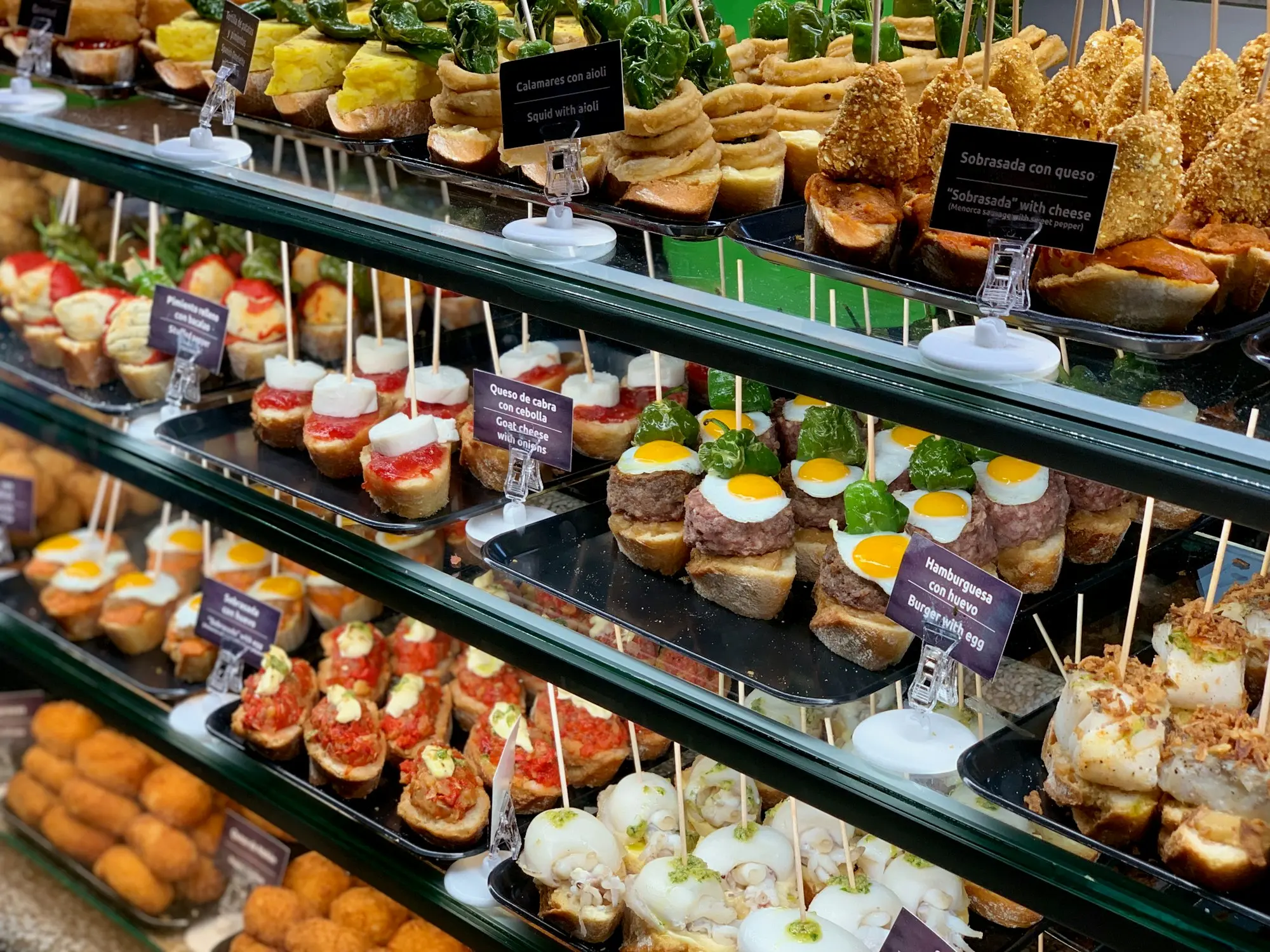
image

The enemy on your plate - how do you recognize a food intolerance?

If eating is no longer a source of pleasure but a source of distress, an intolerance to certain foods may be the trigger. In this article, we list the most common intolerances.

It affects many people, but those affected are often in the dark and are at a loss or don't even realize that they have a food intolerance. Matthias and I are affected in our team. In this article, we want to show you what the body can react to and how you can interpret your symptoms.

We eat food several times a day. Ideally at intervals of 4 to 6 hours and 2 to 3 meals a day. In this rhythm, our body has sufficient time for food intake, food utilization and food digestion. In reality, however, this is usually not the case. Seduced by the industry, we eat snacks such as nerve food and mood boosters. These have little to do with “filling us up”, which is what food is actually intended for.

How do I know which foods cause me discomfort?

This legitimate question is the most difficult to answer. If you reflect on your food intake with a food diary, you quickly realize that it's not that easy. This is because we often don't eat foods individually, but combine them with each other, making it almost impossible to find out which one is responsible for a possible malaise. There is also the difference between an immediate reaction and a delayed reaction, which can occur up to three days after eating. As you can see, this makes the whole thing even more difficult.

PortableText [components.type] is missing "image"

Lactose intolerance

In the case of lactose intolerance, those affected lack the enzyme lactase to break down lactose in the body. The most common symptoms can be flatulence, abdominal cramps, diarrhea, nausea, intestinal wind and/or a feeling of fullness. Non-specific symptoms such as headaches, tiredness, difficulty concentrating, fatigue or palpitations are very rarely associated with food intolerance.

Milk protein allergy

With this intolerance, the body reacts with an immune response to the proteins in milk. These are not only found in cow's milk, but also in the milk of other mammals such as goats, sheep or horses. The body fights against the foreign protein with IgE antibodies and releases histamine. This increases the prevalent histamine in the body. If you eat a lot of histamine-containing foods, it is obvious that you are also sensitive to histamine. A milk protein allergy usually occurs in babies or small children. Lactose intolerance is more common in adults. However, adults can also develop a milk protein allergy. If you do not have a normal lactose test result, but have symptoms when consuming animal milk products, a milk protein intolerance should be considered.

Fructose intolerance

Fructose intolerance is still not well known to many people, although one in three adults in Germany is knowingly or unknowingly affected by it. The reason for this is that many processed foods contain a large amount of artificially produced fructose. In addition, our diet is much higher in carbohydrates than it used to be. Carbohydrates are converted into sugar by the body. We cannot metabolize this excess fructose and our body reacts to it. Rarely can a connection be established to the symptoms. In addition to the same symptoms as lactose intolerance, this intolerance can be responsible for a weak immune system, reddened skin, joint pain, low iron levels or even a craving for sweets.

Sorbitol intolerance

Similar to fructose intolerance, sorbitol intolerance is a reaction to sugar. However, in this case it is specifically the sugar alcohol. Among food additives, sorbitol is known as E240. This is often used to sweeten diabetic food. However, the industry also likes to use it as a humectant or to preserve food. It is normally metabolized in the small intestine. However, if the metabolism is disturbed, the process only takes place in the large intestine. Bacterial fermentation leads to increased gas formation, which is perceived as flatulence. As with all other intolerances, the symptoms include flatulence, diarrhea, abdominal pain, nausea, tiredness and/or a feeling of fullness.

Sacharose intolerance

This intolerance is also a sugar intolerance. It is a specific reaction to household sugar or malt sugar. The most common symptoms that can be recognized are similar to fructose and sorbitol intolerance.

Coeliac disease (gluten intolerance)Coeliac disease is a genetic intolerance to the gluten present in many types of grain. Between 30-35% of Germans have a genetically increased risk. However, only 2% develop the full-blown form of this intolerance. It is most common between the ages of 1 and 8 or 30 and 50. Women are more frequently affected. In this case, there is a reaction to the gluten in cereals. This reaction causes inflammation of the intestinal mucosa, causing the intestinal villi to regress. As a result, nutrients can no longer be properly transported into the body and over time a nutrient deficit develops and deficiency symptoms occur. The main symptoms here are diarrhea, flatulence and a tense stomach. Those affected also complain of weight loss, pallor, tiredness and reduced performance. Children may even experience growth problems.

Histamine intolerance

The symptoms can manifest themselves in

Skin (hives, itching)

Brain (headaches, tiredness, sleep disorders)

Cardiovascular system

Gastrointestinal system

Menstrual pain

Respiratory system (runny/stuffy nose, asthma attack)

PortableText [components.type] is missing "image"

Alcohol intolerance

Alcohol intolerance or ethanol intolerance refers to people who suffer from an alcohol breakdown disorder. These people lack the enzyme to break down alcohol in the body. The stupid thing about this intolerance is that the body reacts very strongly to alcohol and can only break it down very slowly. Both of these factors lead to the accumulation of toxic acetaldehyde. This is better known as acetaldehyde syndrome (flush syndrome). The symptoms here are a red face, increased heart rate, headaches, nausea, drowsiness and cardiovascular complaints. The degradation disorder can be easily detected by means of a blood count.

Nut allergy

Hazelnuts and walnuts are the most common nut allergies. In second place are peanuts. Depending on sensitivity, mild symptoms such as tingling, itching or burning on the tongue, lips or throat may occur. Episodes of neurodermatitis and constricted bronchial tubes are also common. More severe reactions can be seen on the skin in the form of a rash, shortness of breath, gastrointestinal problems or cardiovascular problems, as well as other symptoms. You can read about these on this page.

As you have noticed, the symptoms of the individual intolerances are often the same or very similar. We eat different foods throughout the day. Often in combination, which makes it very difficult to detect them. With our app, you can easily log your food diary. Download the app now if you're not already using it!

Would you like to receive a warning via the app about which foods contain allergens that you react to? Send us your request by email!

What did you learn from this article or have you had similar experiences? Feel free to send us your story to info@speisekammer.app.

image

Transportation costs, climate change, extreme weather - and how they affect food prices

It feels like everything is getting more and more expensive - especially food. There are many reasons for this - and it's not just down to inflation. At this point, we should not forget that we are living in an era of global networking. Added to this is the undeniable climate change and the increasingly frequent extreme weather events that result. All of this also has an impact on food prices and ultimately on consumers' wallets.

What does climate change have to do with rising food prices?

Climate change is having an impact on the food market. Extreme weather events such as torrential rain, extreme snowfall or extreme heat have a major impact on harvests; for example, the prices of coffee, olive oil and even potatoes have soared. In addition, as sad as it is, there is “greed inflation”. There are producers who not only pass on the increased costs to consumers, but also add a large profit percentage on top.

The increased frequency of natural disasters also has an impact on the transportation and logistics infrastructure, leading to bottlenecks and rising transportation costs. These factors in turn create a breeding ground for sometimes extreme price fluctuations. Rising food prices are therefore not only a direct result of climate change, we should also see them as a wake-up call to the urgent need for sustainable action.

The Smantry app may only be a small part of this, but any food that doesn't end up in the garbage can is climate protection. If each of us does a little bit every day to protect the climate, then together we are already doing a great deal.

The increased toll and food prices

The increase in the truck toll also has a not insignificant impact on food prices. From December 2023, CO₂ emission classes will be introduced as a new tariff feature for the toll. A CO₂ surcharge of 200 euros per tonne will then be due. Trucks with a technical weight of 7.5 tons are exempt. Conversely, this means higher operating costs for freight transport. For foodstuffs that have to be transported over long distances before they reach the consumer, these costs are often passed on. In other words, from production to storage to delivery. This cost pressure can therefore also have an impact on the retail price.

The additional revenue that is hoped to be generated by increasing the truck toll is to flow into the rail infrastructure. It is also intended to create incentives to switch to other drive systems.

Which foods have become more expensive? Where have there been noticeable price increases?

Inflation rose to almost 9% at the end of 2022, but has fallen continuously since that year. Inflation currently stands at 3.2%. Nevertheless, some foods have become more expensive and it does not look like prices will fall in the future. This is partly due to the rise in energy costs, but also because food companies are raking in higher profits - so-called greed inflation, which I mentioned above.

Prices have risen for butter, sunflower oil, rapeseed oil and margarine, among other things. Milk and quark have also become more expensive, as have various types of fruit and vegetables, pasta, bread and wheat flour. So it is mainly the staple foods that are affected, which makes the price trend problematic.

Meat prices have also risen, as its production is very energy-intensive. At this point, a cost forecast is more like looking into a crystal ball. It can at least be said with a probability bordering on certainty that the low prices between 2009 and 2019 will probably not be reached again.

image

Discover the magic of zero waste cooking: creative recipes for using leftovers and sustainability

The kitchen is a place where a lot of waste is produced. Cardboard or plastic food packaging, spoiled food (the Smantry app could be your game changer here), leftover food and even cleaning can generate waste. For example, I'm always amazed at how much outer packaging we have to throw away after shopping (I'm working on it). The zero waste kitchen or the almost zero waste kitchen is actually an integral part of sustainability. The aim is to declare war on unnecessary waste - and to get creative when cooking. However, I would like to say right away that this is not about perfection. I think a kitchen where there is no waste at all is a nice idea, but far from reality. Not everyone has an unpackaged store nearby and doesn't regularly get to shop at the weekly market. Your zero-waste kitchen has to be practical for you.

The packaging issue

I'll start with this topic right away. Many supermarkets and even discount stores now offer fruit and vegetables without outer packaging. If you can, it's better to buy this instead of pre-packaged fruit, especially if you need smaller quantities. Some supermarkets also have filling stations for dry food. The disadvantage of this is that you have to bring suitable containers from home. In addition, the number of supermarkets and discount stores that have such filling facilities for loose food is still small.

Using leftover vegetables: Soup magic and vegetable dishes

Leftover vegetables or vegetables that urgently need to be processed don't have to end up in the bin either. You can turn what's still good into a delicious stew or a colorful vegetable pan - with meat, of course. Celery or leek ends are perfect for making a wonderfully aromatic vegetable soup. Or how about a creative vegetable pan? Broccoli stalks, kohlrabi leaves or bell pepper seeds don't have to end up in the bin, but can be turned into a tasty dish. Dry bread doesn't have to go straight in the bin either (unless it's moldy). You can turn it into breadcrumbs or bread chips, for example. To do this, cut the bread into thin slices (so it must not be completely hard), coat with a marinade, for example olive oil, salt and garlic, and bake in the oven (fan oven) at 180 degrees for approx. 10 minutes.

Creative uses for leftover fruit: smoothies and fruit jam

You can easily blend overripe fruit into delicious smoothies or boil it down into a sweet fruit jam. To make smoothies, cut the fruit into small pieces and blend finely with water. The advantage is that, unlike with ready-made smoothies, you have full control over what's in them. This is because smoothies from the supermarket or discount store are heated to a high temperature to preserve them, which is why the nutrient content can be lower. The nice thing about it is that you can blend anything into a smoothie.

Using up leftovers when baking: Banana bread muffins and crunchy muesli bars

The classic way to use up overripe bananas is probably banana bread or banana bread muffins. Dried fruit, nuts and leftover chocolate (do such things actually exist?) can be turned into crunchy muesli bars.

PortableText [components.type] is missing "image"

Reducing packaging waste: sustainable shopping and DIY cleaning products

A zero waste kitchen not only involves avoiding food waste, but also packaging waste. If you can, look for packaging-free products when shopping and buy from local farmers' markets or weekly markets. Bring your own reusable bags and help to reduce packaging waste. Another life hack for the zero waste household is homemade cleaning products. With simple ingredients such as vinegar, baking soda or essential oils, you can make effective and environmentally friendly cleaning products.

Baking soda all-purpose cleaner

Ingredients:

3 tablespoons baking soda

700 ml warm water

1 teaspoon of liquid soap or washing-up liquid (optional, for extra grease dissolving power)

10-20 drops of essential oil of your choice (e.g. lemon, lavender or tea tree oil for additional antibacterial effect and fragrance)

Instructions:

put the baking soda in a spray bottle. Add the warm water. Close the bottle and shake vigorously until the baking soda has completely dissolved.

add the liquid soap (if using) and the essential oils. Shake the bottle again to mix everything well.

spray the solution onto the surface to be cleaned. Leave it on for a short time, especially for stubborn stains or dirt. Then wipe it off with a damp cloth or sponge. For shiny surfaces such as glass or mirrors, rinse with clean water and dry with a clean, dry cloth to avoid streaks.

store the cleaner at room temperature and shake well before each use. Note that the mixture may lose effectiveness over time, so it is best to use it within a month.

Tips:

Always test the cleaner on an inconspicuous area first to make sure it won't damage any surfaces.

For particularly stubborn stains or soiling, baking soda can also be sprinkled directly onto the affected area and worked in with a damp cloth or sponge before wiping off.

This cleaner is versatile and is suitable for work surfaces, kitchen appliances, bathroom surfaces and much more. However, it is not suitable for use on delicate materials such as marble, as the baking soda can be slightly abrasive.

image

Grandma and grandpa know best - life hacks to make food last longer

Perhaps some of you are familiar with this. You've just put the freshly bought food in the fridge and as soon as you want to wash and cut it, the vegetables, for example, are limp again. Cucumbers are particularly affected by this. Even our grandparents knew tips and tricks on how to preserve food for longer - and they are more relevant than ever in the fight against food waste.

Preserve strawberries

This popular fruit can be preserved for up to a year by preserving it - to bridge the gap until the next season. You will need sufficiently large jam jars for this. Place the strawberries and 1 tbsp of sugar in the jar and then fill with water. Then place the jars upside down in a pan of water. Bring the water to the boil, turn off the heat and leave the jars in the hot water for two hours. The strawberries can then be kept unopened for approx. 1 year.

Freezing herbs

Fresh herbs are a perennial favorite in the kitchen. The only problem is that herbs don't usually stay fresh for very long, especially if you have bought large quantities. The solution: simply freeze the herbs with a little oil. This keeps them fresh and crunchy for longer. Chopped herbs can also be frozen in an ice cube tray (mixing ratio 2/3 herbs, 1/3 oil or water). In the Smantry app, it is also possible to assign the freezer and/or the freezer as a storage location.

The cucumber thing

Cucumbers are a real vegetable all-rounder. You can enjoy them as a snack between meals and they refine pretty much any salad. However, cucumbers should be used as fresh as possible, otherwise there is a risk that they will quickly become soggy and mushy. How can this be prevented? First of all, cucumbers don't really belong in the fridge. The ideal storage temperature for vegetables is between 10 and 13 degrees. If a cucumber is stored in the fridge, it will keep for a maximum of four days. The ideal place to store them is in the vegetable drawer. However, not in the vicinity of apples, tomatoes or the like. These produce ethylene gas, which causes the cucumber to ripen more quickly.

Dehydrate food

Another way to preserve food for longer is to dehydrate it. The best-known dried fruit is probably the raisin - the dried grape. Dehydrating removes moisture from the food, which means that the microorganisms and enzymes responsible for food spoilage have no breeding ground. You can either dry food in a dehydrator, in the oven or on the balcony. A detailed blog post will follow here.

Homemade pickles

Another method of preserving food for longer is to pickle it in alcohol, brine or oil. Here too, the microorganisms are deprived of oxygen. Pickled food can be kept for about a year. High-proof spirits such as rum, vodka, cognac, arrack or brandy are particularly suitable for pickling in alcohol. Fruit in particular is pickled in alcohol, with rum pot, Calvados apples and Williams-Christ pears probably being the best known. Vanilla, basil or parsley, for example, can also be added to achieve a special flavor.

Extending the shelf life of bananas

We all know that bananas don't really belong in the fridge. But there is a way to keep this popular fruit from turning brown for longer. You simply have to hang the bananas up. Bananas tend to get bruises from lying down, which later turn brown or black. The tropical fruit feels best in a dark, cool place, but it should be dry. To slow down the ripening process, you can also wrap cling film around the stem.

Onions and nylon socks - a match made in heaven

Onions can be stored for quite a long time by nature, but there is a trick to extend their shelf life: using nylon stockings. To do this, place the onions in a long nylon stocking (e.g. used tights or socks) and tie a knot after each onion. If you need a bulb, simply cut it off above the knot. Spring onions will keep longer if you cut them into rings and then put them in a clean plastic bottle and put it in the fridge.

Broccoli in a glass of water

If you like eating broccoli and want to preserve it for longer, you should cut the stalk of the vegetable and place it in a glass of water like a bouquet of flowers. The water needs to be changed every day. Broccoli likes to be kept cool, so the best place to store it is in the fridge. The vegetable does not ripen, but it does dry out if stored for a long time (whether in a glass of water or not). In addition, the older the broccoli is, the more its taste and aroma change. Frozen broccoli, on the other hand, will keep for several months.

image

Reducing food waste - how the Smantry app helps

Food waste is a major problem that not only harms the environment, but also causes economic losses. Every year, households in Germany throw away around 78 kilograms of food per person. This waste mainly affects fruit and vegetables, bread and baked goods as well as prepared meals (BMEL) (BMEL).

The main reasons for food waste

According to the 2020 GfK study by the Federal Ministry of Food and Agriculture (BMEL), fruit and vegetables made up 35% of avoidable waste, followed by 13% bread and baked goods and 12% drinks. Dairy products and prepared meals also account for a significant proportion (BMEL) (BMEL).

The Smantry app as a solution

The Smantry app offers an innovative solution for reducing food waste. It enables users to manage their supplies, create shopping lists and manage their available food better at a glance. Households that use the app regularly can significantly reduce their food waste. This not only means less waste, but also considerable financial savings.

PortableText [components.type] is missing "image"

Financial benefitsBy reducing waste and better planning purchases, users of the Smantry app can save more than 300 euros a year. These savings result from a more efficient use of available food and the avoidance of unnecessary purchases.

PortableText [components.type] is missing "image"

ConclusionFood waste is not only an ethical and ecological problem, but also an economic one. The Smantry app offers a practical solution that helps to reduce food waste and save money at the same time. By using the app, consumers can reduce their ecological footprint and make an important contribution to sustainability. Take the first step and download the Smantry app today - for a more sustainable future and a bigger wallet.

image

Optimising the fridge - keeping the fridge tidy is not that difficult

The fridge is one of those places where food tends to disappear, only to reappear months later as a stinking corpse. It may even have dressed up in a fur coat. So it's high time you organised it properly. But how does it work and how can I keep my food in the best possible condition in the fridge? A tidy fridge has another advantage: it saves electricity. A tidy fridge makes it easier to find the food you're looking for, and you don't have to open the door as often. After all, every time you open the door, the fridge has to cool down to operating temperature, which in some appliances consumes a huge amount of electricity. It is also not sustainable to buy a new energy-saving fridge just because your old one uses more electricity but is still fully functional.

Before tidying up, we first need to clean

Before tidying and organising, the first thing to do is a thorough clean. To do this, everything has to be taken out - i.e. the food and the drawers and shelves that can be removed. The fridge should then be disconnected from the power supply. The basic cleaning can also be combined with defrosting - something that many people like to procrastinate (including me, by the way). All parts should then be thoroughly washed out. By the way, you can use vinegar water instead of chemicals. Simply mix in a 1:2 ratio. It works just as well, but is less harmful to the environment. Don't forget the handles and the eggshell! You should also give the outside of the fridge a thorough clean. Firstly, it won't have to cool down against a layer of dirt and secondly, a completely clean fridge looks much better.

What else belongs to the basic cleaning of the refrigerator

It's not just the fridge that needs a deep clean. You can also take the opportunity to clean tubes and lids. A good example is the ketchup bottle, where the rim and lid tend to get crusty - or the maple syrup bottle. You can extend the ‘big clean’ to such items - and it will look much better in the fridge.

The vegetable compartment - the Bermuda triangle for fruit and vegetables

Fruit and vegetables tend to ‘disappear’ in the vegetable compartment of the fridge (i.e. in the bottom drawer), only to reappear shrivelled and mouldy months later. Quite simply because it was no longer on your radar. In the Smantry app, you can assign food to specific storage locations. This prevents you from forgetting things.

Now it's time to start organising

To get an overview, you should first organise all the food that was in the fridge. If you like, you can also sort them by food group, for example cream to milk etc. You should transfer leftovers into space-saving boxes. Drinks can be stored in a bottle holder. This will prevent bottles from rolling around or the vegetable compartment from being cluttered with drinks. To make the most of the space in the fridge, square containers are particularly suitable.

The top shelf

This is where it is ‘warmest’ in the fridge. The temperature in the top compartment is between 8 and 10 degrees. This is where food that does not need to be cooled as much belongs. This includes butter, jam, eggs, sausage, cheese and leftovers, for example.

The middle shelf

Temperatures there are around five degrees. Dairy products such as yoghurt, cream and quark belong here. If there is no more space in the top compartment, you can also store sausage and cheese there. To make the best use of the storage space, you should use square storage containers. You can of course also label them. There are now many manufacturers who offer organisers and other products for keeping your fridge tidy. Of course, it is more sustainable to start with what you already have in the house.

The bottom shelf

It is coldest here at around 3 degrees. Meat and fish, for example, belong in the bottom compartment. In other words, perishable food.

The vegetable compartment

As the name suggests, fruit and vegetables belong in the vegetable compartment. The temperatures there are rather mild at 9 degrees. If you don't eat fruit and vegetables, you can of course also use the compartment for other foods or drinks.

The fridge door

The fridge door is particularly suitable for storing drinks or other containers that are rather tall (and sometimes disappear into the shallows). These include yoghurt pots, sauce, ketchup and/or mayo bottles, for example. Of course, butter and eggs can also be stored in the corresponding compartments.

These foods do NOT belong in the fridge - although they end up in there often enough

There are foods that should not actually be stored in the fridge. These include cucumbers, peppers and avocados, for example. Tomatoes and potatoes also do not belong in the fridge. Likewise, fresh eggs do not necessarily have to be kept refrigerated. It is usually sufficient to store them in the fridge after a few days.

In our Smantry app, you can assign the fridge as the storage location for the relevant food. This should prevent any more unpleasant surprises, such as yoghurt that has put on fur... ;)

image

Hello Icebox

It is the quickest and easiest way to preserve food. But who has ever thought about how to store food properly in the freezer and what the benefits are?

Good advice is not expensive

We thought about this question and compiled our tips for you here. To use the freezer even more effectively, it is important to defrost it regularly. We'll show you how.

Of course, the sustainability aspect also plays a major role in this topic. Sustainability through energy efficiency. This is because a well-filled freezer with few air gaps requires less energy. This keeps the temperature constant. Frozen food retains its temperature very easily due to its consistency. More electricity must be used to cool empty space. You should therefore opt for square boxes that are easy to stack. Well-labelled and sorted by category, you can find the food you want in just a few easy steps. With a self-created barcode, the app can support you even better and you can immediately see how long the stock in the fridge will keep.

People often ask themselves how long frozen food will keep. This question is justified. There are different recommendations outside in the world wide web. Of course, just because the specified period has been exceeded does not mean that it is spoilt. Just test it out. You'll be surprised how much longer food can be eaten safely.

PortableText [components.type] is missing "image"

Defrost correctly!

Has a thick layer of ice already formed in the fridge? Then it's time to defrost it as soon as possible. This will save you electricity and give you more space for more food. We show you how to do it easily.

  1. Clear out food.
  2. Switch off the refrigeratoror fridge-freezer.
  3. Clear out all shelves and compartments.
  4. Lay out kitchen towels on the floor. These will catch the water.
  5. The ice will melt much faster due to the vapour spreading. This is also our tip! There are two options here:

Slow: Melt the ice slowly by opening the freezer or refrigerator doors wide open.

Fast: Place a pan of hot water on the base of the appliance and close the door. The ice will melt much faster due to the vapour spreading. This is also our tip!

  1. Depending on how badly the freezer compartment is iced up, defrosting will take some time. If you use our tip, you can check after just 15 minutes to see if the icing has come off. In the meantime, you can wash out and dry the shelves or drawers.
  2. Try to remove the ice carefully to avoid damaging it. If you still need to scrape it off, use a wooden spoon or plastic scraper. Pour the scraped ice cream into a bucket.
  3. Wipe and away. It is best to clean the icebox with a sponge and wipe all areas with warm rinsing water. Don't forget the seal! Afterwards, wipe all surfaces with a dry cloth. Otherwise the water will freeze and ice will form again very quickly.
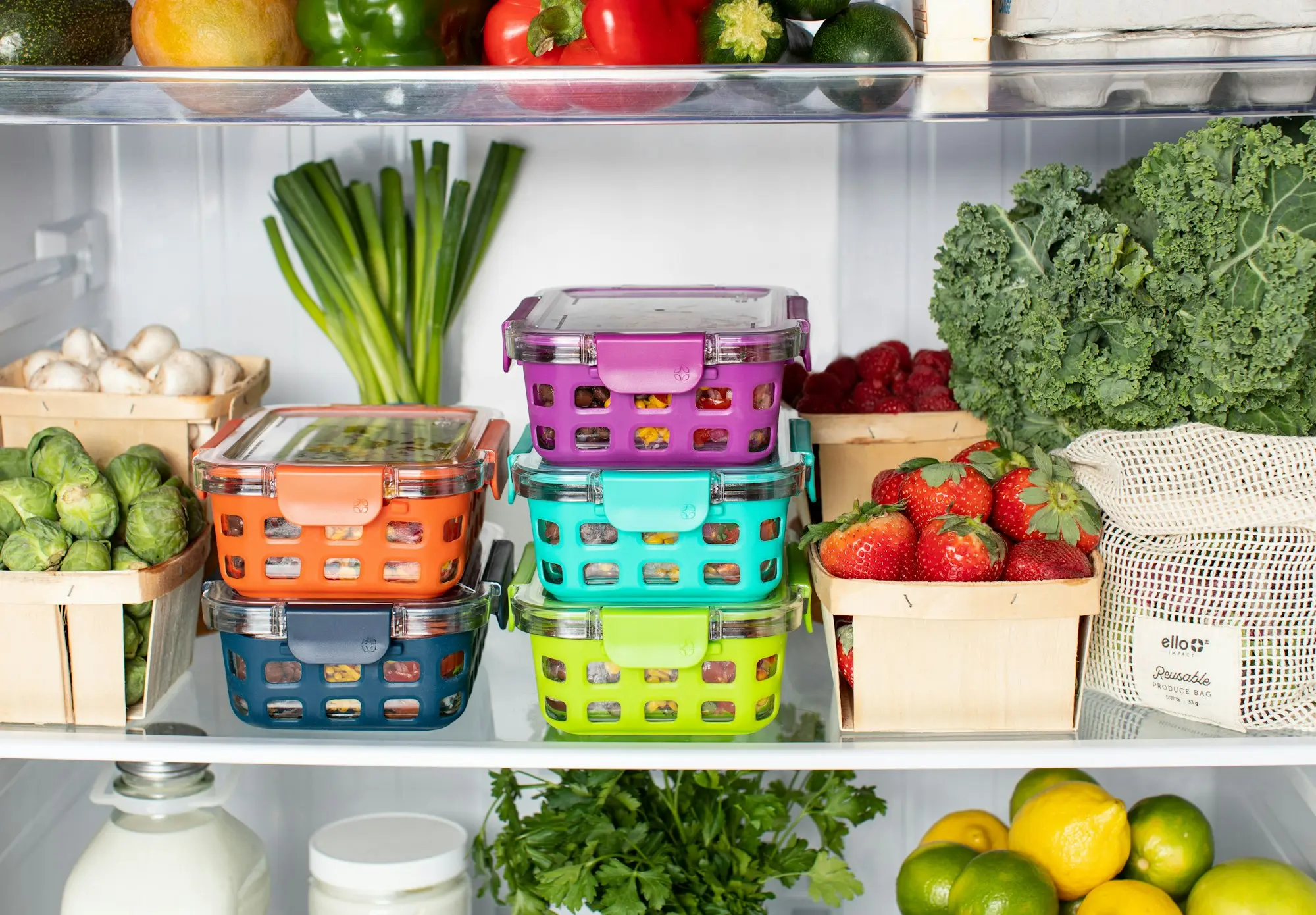
  4. Refill. Now put all the food back into the freezer. This saves electricity when you switch the freezer back on, as it does not have to cool down to the standard temperature all by itself.
  5. Power on -now everything is super clean again and ready to go at the touch of a button.

As you can see, it's very simple and takes very little time. So let's go and declare the ice the war.

Have fun, Kira

image

National dish or leftover food?

The history of paella

Paella originated in the Valencia region around 1892. It was collected by field labourers as a nutritious meal from various leftovers and cooked in a pan over an open fire.

In the years that followed, the dish was cooked for the whole family on Sundays. Leftovers from the week were also utilised and, depending on the region, other ingredients were occasionally added.

This pretty dish, which could be prepared quickly for many people, became increasingly popular and is often referred to as the Spanish national dish. However, paella is a traditional dish of the Valencia region.

Over time, these variations have become famous:

  1. Paella de Marisco (with seafood)
  2. Paella mixta (with meat and seafood)
  3. Paella de verdura (vegetarian)
  4. Fideuà (with pasta instead of rice)
  5. Arroz al horno (rice from the oven)
  6. Arroz con costra (rice with a crust)
  7. Arroz en la olla (rice from the pot)
  8. Arroz Neger (black rice)

Try your own creation with the rest of the week. It's easy and delicious!

A variety of popular leftover dishes from around the world

It's great to see that many countries have their own leftover recipes and not only in Spain a great dish has been created from leftovers. Immerse yourself in the diversity of ideas in the world and let yourself be inspired.

  1. Austria - Tyrolean Gröstl was made from leftovers from the Sunday roast
  2. Italy - pizza
  3. France - Quiche
  4. Asia - Rice or noodles were fried with various leftovers
  5. North America - Casserole (leftover casserole)
  6. In Bavaria and Baden-Württemberg, Kirschmichel was made from stale white bread
  7. America and Great Britain made fruit crumble

These were our top 7 leftover dishes from all over the world. Do you have your own creations that are too good to remain secret? Then send the recipe to kontakt@speisekammer.app and we will include it in our next post.

image

The Smantry Guide to Minimalism: Why Minimalism?

Why is it worth living minimally? Does minimalism truly bring happiness? Do I have to give up everything I enjoy? These questions often arise in this context. The core idea of minimalism is that less is more. This is true, but it doesn't mean you have to give up everything, especially things that bring you joy and happiness.

More of the Right Things

Minimalism doesn't mean you must live in a sparsely furnished apartment with only a chair, a bed, and perhaps a table. It's about consciously choosing to do without certain things. Clothing is a good example. Fast fashion companies release up to 24 collections a year, produced under sometimes inhumane conditions and causing significant environmental damage.

The average consumer buys around 60 pieces of clothing annually, but these are worn only half as long as before due to the poor quality of fast fashion. Many have items in their closets that have never been worn.

Fashion is a double-edged sword

While wanting to look trendy, I prefer buying secondhand clothes or wearing what I have until it falls apart. When purchasing new items, I aim for high quality and sustainability, though this is challenging.

Saving Money Through Minimalism

Minimalism involves consciously foregoing certain items, which alters our approach to consumption. We often buy things we don't need. For example, I'm easily swayed by attractive packaging, leading to purchases that soon end up as waste due to poor quality or lack of necessity. The pandemic illustrated this: many people decluttered extensively during lockdowns, overwhelming secondhand stores and donation centers, while online shopping surged, making delivery trucks as full as they are during Christmas.

Minimalism doesn't mean you have to give up everything that brings you joy. It's about consciously questioning your consumption: "Do I really need this, or do I just want it because it's trendy?"

For 2024, I've decided to limit my clothing consumption. I'll wear what I already have (and my closet is really full) and buy secondhand if I need something new. Keeping a budget book might help you track expenses and see how much you save by consuming less and more mindfully.

How can the Smantry App help with minimalism?

Food waste is a global issue, with countless items discarded annually due to spoilage or nearing expiration dates. The Smantry App aims to combat this by making it simple to track your food inventory and expiration dates. By assigning storage locations and monitoring expiration dates, you can use items before they go bad, avoid duplicate purchases, and save money. This helps prevent "cupboard clutter" and ensures you use ingredients efficiently.

image

Prepare for emergency situations with private food supplies

Some people store food at home to prepare before a possible emergency situation.

An emergency supply? That's not necessary! I have a supermarket around the corner!

PortableText [components.type] is missing "image"

In our modern world, a reliable supply of food, drinking water and medicines is always guaranteed! What should I prepare for?

Despite sophisticated modern systems, people still find themselves in emergency situations caused by natural disasters. In the news, you can occasionally see pictures of floods and flooded cellars. Soon it is impossible to go to the supermarket and you have to help yourself or your neighbors at home.

Other dangers are earthquakes with collapsing houses, storms with fallen trees and blocked access roads. Snow-covered villages in the mountains or simply blocked roads by snowdrifts.

People living in affected regions are well advised to make provisions for emergencies - by storing the most important items for everyday life, food, water and medicines at home.

What to do in case of a power failure?

PortableText [components.type] is missing "image"

At the same time, over the past centuries we as human beings have become accustomed to a constant availability of food from the supermarket, hot water from the tap and light at the touch of a button. A power failure lasting several hours can upset this balance very quickly!

The first thing to fail are the supermarket cooling systems, as they consume a lot of electricity. The cash register systems also stop working. Maybe the supermarket still sells food for cash - if you have any. Unfortunately, the card payment only works with electricity, so that's it. In the worst case the supermarket is empty after a few hours due to panic and hamster purchases. The trucks that fill up the shelves every day also stop running…

You can imagine that such a situation can quickly become unpleasant!

Better prepare for unforeseen events, instead of worrying when it is to late!

With the Prepper App you get a proven method for crisis prevention: Through private provision at home with food, drinks and medication.

The federal government recommends that food be kept in stock for 10 days. With these food stocks you and your family are already quite well prepared for an emergency - even larger stocks are of course even better!

"Prepping" comes from "to prepare", and is not to be mistaken for panic buying. Finally, it is not about buying until the supermarket shelves are empty, but about carefully choosing and stocking supplies. Like your grandparents did in good old times.  Therefore we do not see Prepper as a negative loaded word - but we called our app even Prepper App before 2019. In the mean time, because of added features, we changed the name to Pantry Chief.

How does the Prepper App help with your preparation?

With our app you get a tool that allows you to easily record what food you have at home. And this by means of a barcode scanner. You can also organize the food in storage locations. You always have an overview of expiring or expired food and can exchange it in time. This is a very useful feature especially for large stocks!

Furthermore Pantry Chief supports you with a balanced diet. Sufficient carbohydrates in the form of pasta are certainly a first step, but without a certain amount of protein and fat this would be a rather unhealthy diet.

As the last and most important factor, the Pantry Chief determines how long your supplies will last! For this purpose, you can enter the body measurements for each household member, which are used to determine the individual calorie requirement. Alternatively, you can also enter your own value for the calorie requirement. Now the energy content of all food in your stock will be compared with the energy requirements of your household. This determines the number of days the stock lasts. The same is calculated for the liquid and water requirements.

PortableText [components.type] is missing "image"

Suppose you want to provide for your family for ten days, as recommended by the federal government. If, for example, your provisions only last nine days, as shown in the picture, you can see exactly what other products you should buy to reach your goal in the nutritional statistics below: A well-balanced stock that will keep for a long time and provide security for a certain time! By the way, the example picture does not contain any fat and protein-containing food - the stock is otherwise too rich in carbohydrates.

Sign up for the app for free today!

PortableText [components.type] is missing "span"
image

Intelligent Fridge

What was unthinkable many years ago has already found its way into some households. Anyone who can call a smart fridge their own will soon no longer want to do without the many smart functions that make everyday life easier. Nevertheless, the higher purchase price is initially a deterrent. This is one of the reasons why we don't yet have a smart appliance in our kitchen. Temperature management, warning function or internet access are functions that are advertised on the manufacturers' websites for smart fridges.

Smart features from the manufacturer:

  • Cooling temperature and holiday and super-freeze modes are settings that can be easily adjusted using a smartphone-
  • Control the smart appliance via voice assistant
  • Best overview of stored food thanks to an integrated camera that allows a view of the interior
  • Save energy at the touch of a finger. Take a look inside without opening the door. Operate audio and video controls via the integrated display

Other features, such as the mobile fridge that communicates directly with the Alexa note, are unfortunately still a long dream of the future. If you think a little further about which features are desirable, you come up with examples such as

  • Overview of the shelf life of stored food
  • Consumption recommendation for the stored food
  • Reordering of the food that has been removed
  • Nutritional value graphic of the stored food

Intelligent storage without a new fridge

But what does it actually look like? Not everyone can or wants to buy a fridge like this. But it would still be nice to always know what is still in stock at home. Even if the fridge still belongs to the old generation. There is also a sustainability aspect to replacing the fridge, not just because you want to use the latest features. We have a little trick that means you don't have to do without modern storage adapted to your own needs. Make your life easy and let the Smantry app help you. It could look something like this:

  • Create the fridge as a storage location in the Smantry app
  • Scan the food using a barcode (take the opportunity to clear out and clean at the same time ;-) )
  • You can check what's left in the fridge at any time on the go. For example, at work you can see what you can cook in the evening or when shopping you can see at a glance what still needs to be bought. Coordinate with family members or flatmates. This will prevent you from buying the same thing twice. Organise the food in your fridge by expiry date to use up items that are due to expire first.

We hope this article has inspired you! Feel free to contact us via our support chat if you have any questions or download the app directly here:

Download the app now for free:

Download the app for free

google pay
App store
Zur Web App

Join the Community - Smantry App Telegram

With Smantry, you can easily keep track of your groceries. Scan your supplies, plan meals, and create a shopping list – all in just a few clicks. Discover suitable recipes, reduce waste, and save time for what really matters!

Do you have any questions?

  • How does Speisekammer.app help to prevent food waste?

    Pantry.app was developed to help you manage your food efficiently and minimize waste. With the app, you can easily record your supplies, keep an eye on expiration dates, and automatically create shopping lists. This way, you only buy what you really need, and prevent food from spoiling unnecessarily. Additionally, the app regularly offers tips and recipes to help you make the most of your food.

  • How does Speisekammer.app help to prevent food waste?

    Pantry.app was developed to help you manage your food efficiently and minimize waste. With the app, you can easily record your supplies, keep an eye on expiration dates, and automatically create shopping lists. This way, you only buy what you really need, and prevent food from spoiling unnecessarily. Additionally, the app regularly offers tips and recipes to help you make the most of your food.

  • How does Speisekammer.app help to prevent food waste?

    Pantry.app was developed to help you manage your food efficiently and minimize waste. With the app, you can easily record your supplies, keep an eye on expiration dates, and automatically create shopping lists. This way, you only buy what you really need, and prevent food from spoiling unnecessarily. Additionally, the app regularly offers tips and recipes to help you make the most of your food.